Why Consistency Matters in Child Sponsorship
People weighing up monthly child sponsorship usually ask about the amount. Is $25 enough? Would $50 be better? It's a generous question, but after years of running a children's home we can tell you it is the second most important one. The first is about rhythm: will the gift come regularly?
Because here is the unglamorous truth of raising 50 children: the value of money depends on whether you can see it coming. A smaller gift that arrives every month, without fail, is worth more to a child's life than a larger one that arrives as a surprise. This article explains why, from inside the house where the difference is felt.
Waves and streams
Charities receive two kinds of money. There are waves: the Christmas surge, the response to an appeal, the generous stranger who gives once and moves on. And there are streams: the monthly gifts that arrive as dependably as the bills they exist to meet.
Waves are wonderful, and we are grateful for every one. But you cannot run a household on waves, for the same reason no family budgets around lottery wins. A children's home is not a project with a finish line; it is groceries, wages, fees and rent, every week, for years. Costs like that can only be safely promised against income that behaves the same way. The stream, not the wave, is what the promises stand on.
What a home can only do with predictable money
Predictable income doesn't just pay for things. It changes what we are allowed to say yes to. With a reliable stream behind us, we can:
- Enrol for whole school years. Committing a child to a school year is a promise to pay three terms of costs before knowing what the year holds. We wrote in our school fees article what happens to children whose fees arrive unpredictably; steady sponsorship is how ours never find out.
- Keep the same carers. The consistent adults we keep writing about are faithful people, and they are also employed people. Paying wages on time, every month, is what turns "an adult who stays" from a hope into a plan.
- Buy well instead of desperately. Food bought ahead, in season, at Jinja market prices, goes further than food bought at the last minute. Predictability is itself a discount.
- Say yes when it matters. When a child needs us, the question in the room is really a question about the next ten years of meals, fees and care. A home carried by streams can answer it with confidence.
Costs arrive on a calendar
Here is why monthly rhythm fits this work so precisely: the costs of raising children in Uganda arrive on a calendar of their own. Three school terms open with fees and supplies due. Food is needed daily, rent monthly, and the wet and dry seasons move market prices around in ways every Jinja household knows by heart.
A monthly gift lands on that calendar like a stitch landing on cloth. Twelve arrivals a year mean there is always recent income between us and the next deadline, which is exactly what a once-a-year wave, however generous, cannot provide in month seven. The gift doesn't have to be big to do this. It has to be there.
The child's view: steady money becomes a steady life
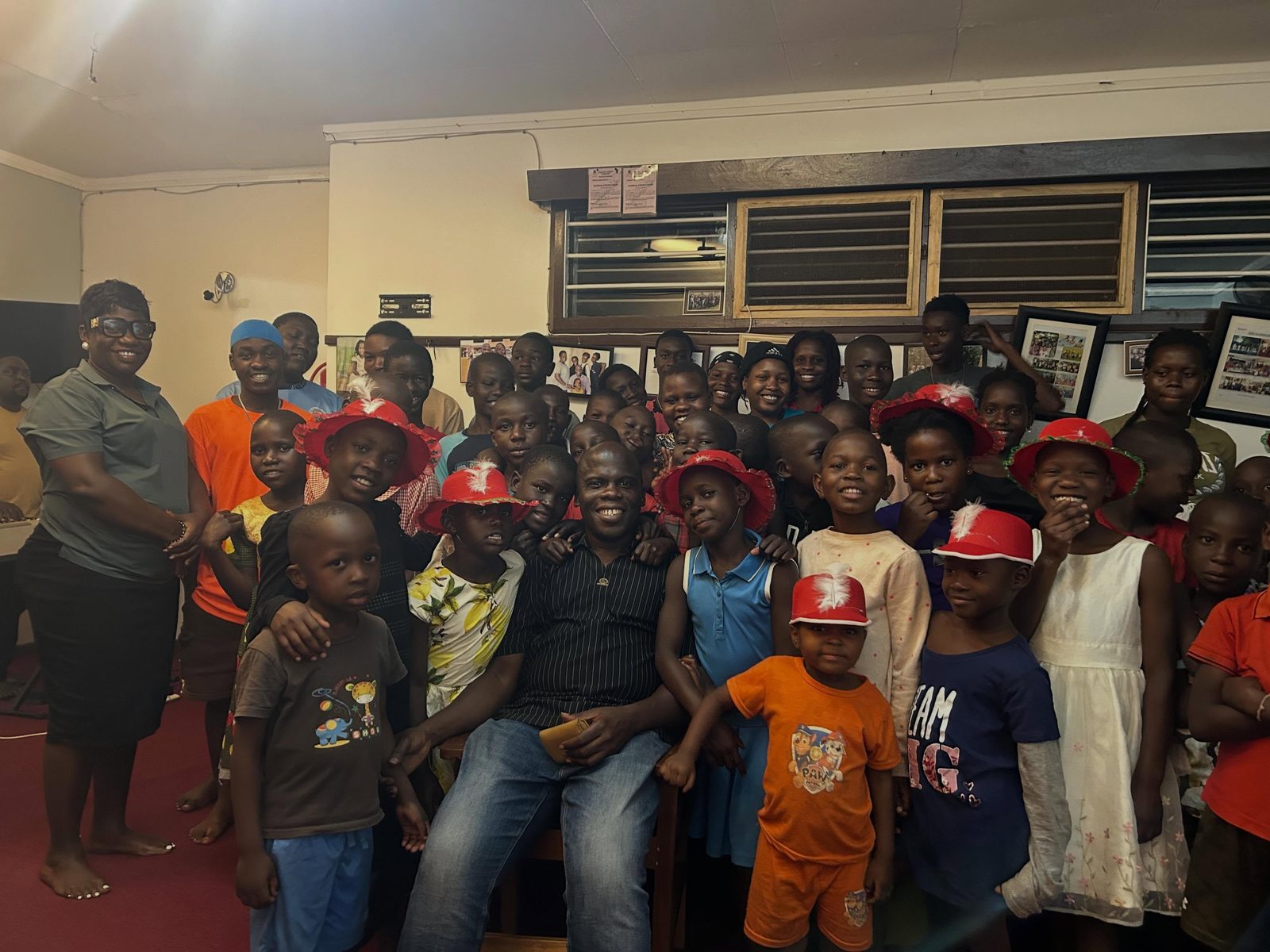
Children never see the bank statements, and they shouldn't. What they experience is the downstream weather of our finances: whether meals are calm or tense, whether the same carers are there in March as in January, whether the school term starts on time, whether the roof gets fixed before the rains.
Everything we have written about felt safety and the promise of permanence is, financially speaking, a description of consistent income doing its quiet work. Steady money becomes steady adults, steady meals and steady routines, and steadiness is the soil a recovering child grows in. Your standing order, in other words, is not admin. It is the architecture of somebody's ordinary day.
The honest maths of small monthly gifts
Donors sometimes apologise for small amounts, so let's do the sums out loud. Ten dollars a month is a hundred and twenty dollars a year, arriving in twelve dependable pieces that can each be planned against. The same hundred and twenty given once is genuinely welcome, but it can only be planned against the day it arrives.
And streams add up in a way waves don't. A household like ours is carried by many modest monthly gifts pooled together, as we explained in what sponsorship costs and covers. Fifty supporters at ten or twenty-five dollars a month are not fifty small gestures. Together they are a payroll, a term of school fees and a full pantry, visible months in advance. This is why we honestly tell people: if you must choose, choose the smaller amount you can sustain over the larger amount you can manage once.

What consistency asks of you
We want to be straight about the other side of this. Asking for monthly giving is asking for a commitment, and commitments deserve honesty rather than fine print.
So: your circumstances may change, and your giving can change with them. You can adjust or cancel a monthly gift at any time by getting in touch, without awkwardness and with our genuine thanks for every month you gave. We would far rather you started at an amount that feels light, as many of our sponsors do, than stretched to one that turns giving into a burden. Consistency that costs you your peace isn't what we're asking for. A sustainable rhythm is.
Where one-off gifts shine
None of this makes single gifts second-class. They have their own genius: they absorb the shocks the stream isn't sized for. A term-time top-up, help with a medical bill, a repair after hard rains, a birthday or a fundraiser's proceeds: one-off giving handles the exceptional beautifully, precisely because the monthly stream is handling the ordinary.
The healthiest support base a children's home can have is both: streams for the promises, waves for the surprises. If a single gift is what suits you today, it will be received with real gratitude and put to work the same week.
What your steadiness holds up at Tender Love
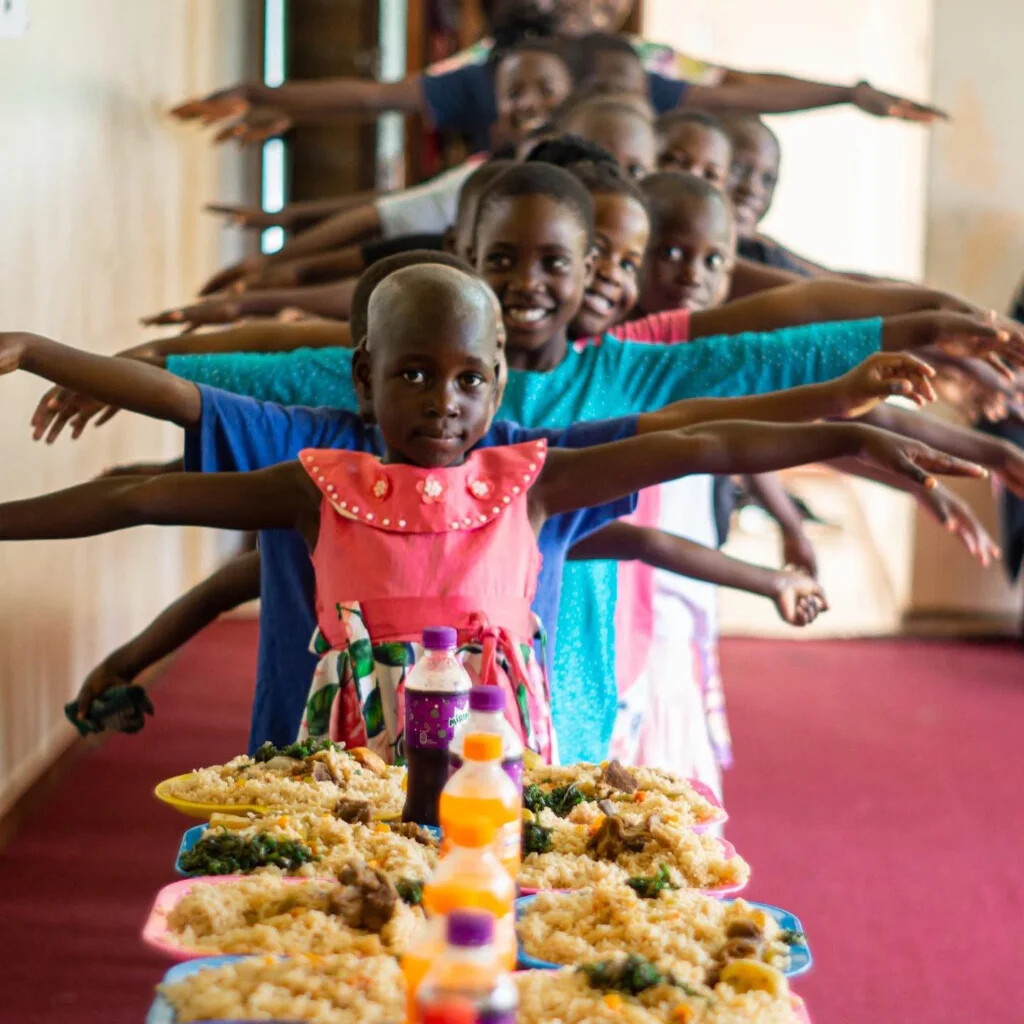
Every steady gift to our family in Jinja is quietly holding up something specific: the school run that leaves on time, the carers who have been here for years, the pantry that never quite empties, the repairs done before they become emergencies, and the confidence with which we tell every one of our 50 children that they will still be ours at Christmas.
Our sponsors rarely see any of it happen. That is the point. Consistency is the kind of generosity whose success looks like nothing: no crisis, no appeal, no drama. Just another ordinary day, funded before it arrived.
How to start
Starting takes a couple of minutes on our Sponsor a Child page: choose monthly, pick $10, $25, $50 or $100 or set your own amount, and let it run. From that moment you are part of the stream, and the stream is the thing every promise in this house stands on.
If you have questions first, ask us anything, or read our guide to giving safely and check us against it. And if you already give monthly: thank you. This article is simply what your faithfulness looks like from the inside.
Frequently asked questions
Why is monthly child sponsorship better than one-off donations? +
Does a small monthly gift really make a difference? +
What does consistent income let a children's home do? +
How does consistent giving affect the children themselves? +
Can I change or cancel a monthly sponsorship later? +
Are one-off donations still worth giving? +
How do I start a monthly sponsorship with Tender Love? +
Every child deserves to be loved
Your support helps provide food, education, healthcare and a loving Christian family for vulnerable children in Jinja, Uganda. Will you help today?