What Does Child Sponsorship Really Provide for a Child in Uganda?
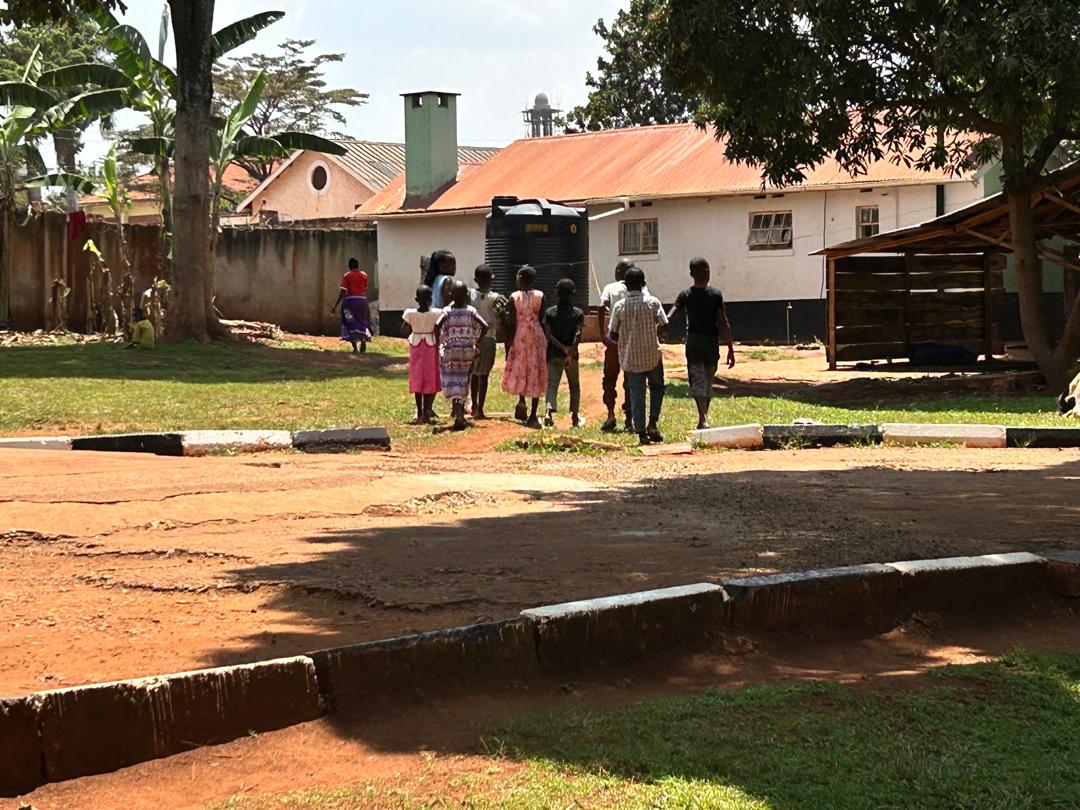
People often ask us what child sponsorship provides, and it's a better question than it first appears. It's easy to say "food and school fees" and leave it there. But that answer describes a shopping list, not a childhood.
So here is a fuller, more honest account of what a sponsored child at Tender Love Orphan Care actually receives, the practical provision you'd expect, the things that never appear on any receipt, and the parts sponsorship genuinely cannot do. We think supporters deserve the whole picture before they give, not afterwards.
The short answer
At Tender Love, sponsorship provides a child with food, schooling, healthcare, clothing and a safe home within a Christian family, and, just as importantly, the stability of knowing all of that will still be there next month.
We care for 50 children in Jinja, eastern Uganda. Sponsorship isn't a payment attached to one child's individual invoice; it joins a shared provision that keeps the whole household running. That distinction matters, and we'll come back to it.
Enough food, every day
The most immediate thing sponsorship provides is the least complicated: meals. Not emergency food parcels, and not one meal on a good day, ordinary, repeated, unremarkable meals that a child stops having to think about.
That last part is the real gift. A child who knows dinner is coming can concentrate at school, sleep properly, play hard and grow. Hunger is exhausting in a way that's easy to underestimate from a distance; it occupies a child's attention long before it shows up in their health.
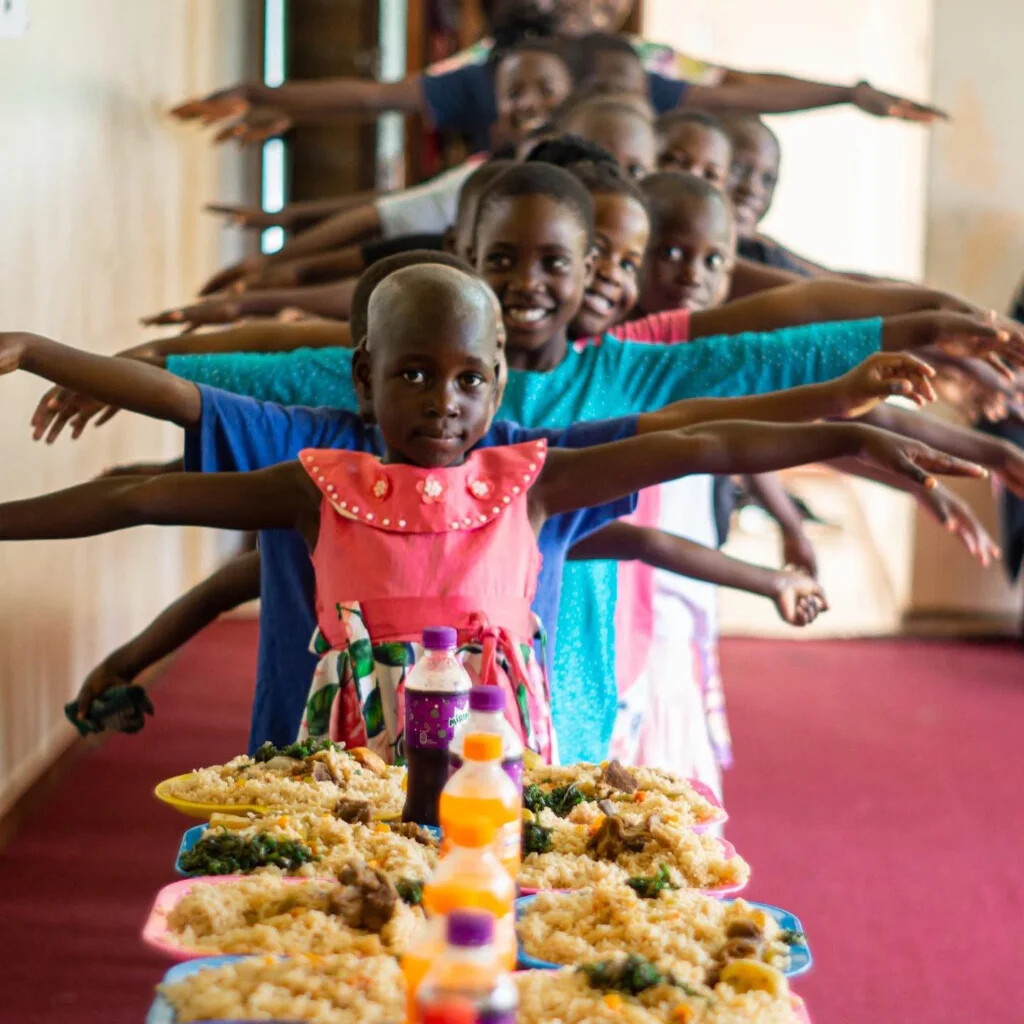
Alongside meals, sponsorship covers clean water, clothing and shoes, bedding and the endless small necessities of running a home for 50 children. We also grow vegetables in our own gardens, which stretches food further and teaches the children something useful at the same time.
School, and everything school requires
Education is the largest single cost we carry, and the one most likely to be interrupted when money runs short.
Primary education in Uganda is officially free, which leads many people overseas to assume school is already taken care of. In practice, families still have to find uniforms, shoes, exercise books, pens, learning materials and exam fees, and secondary and vocational study carry tuition on top. For a household without a steady income, those costs are exactly what keeps a capable child out of the classroom.
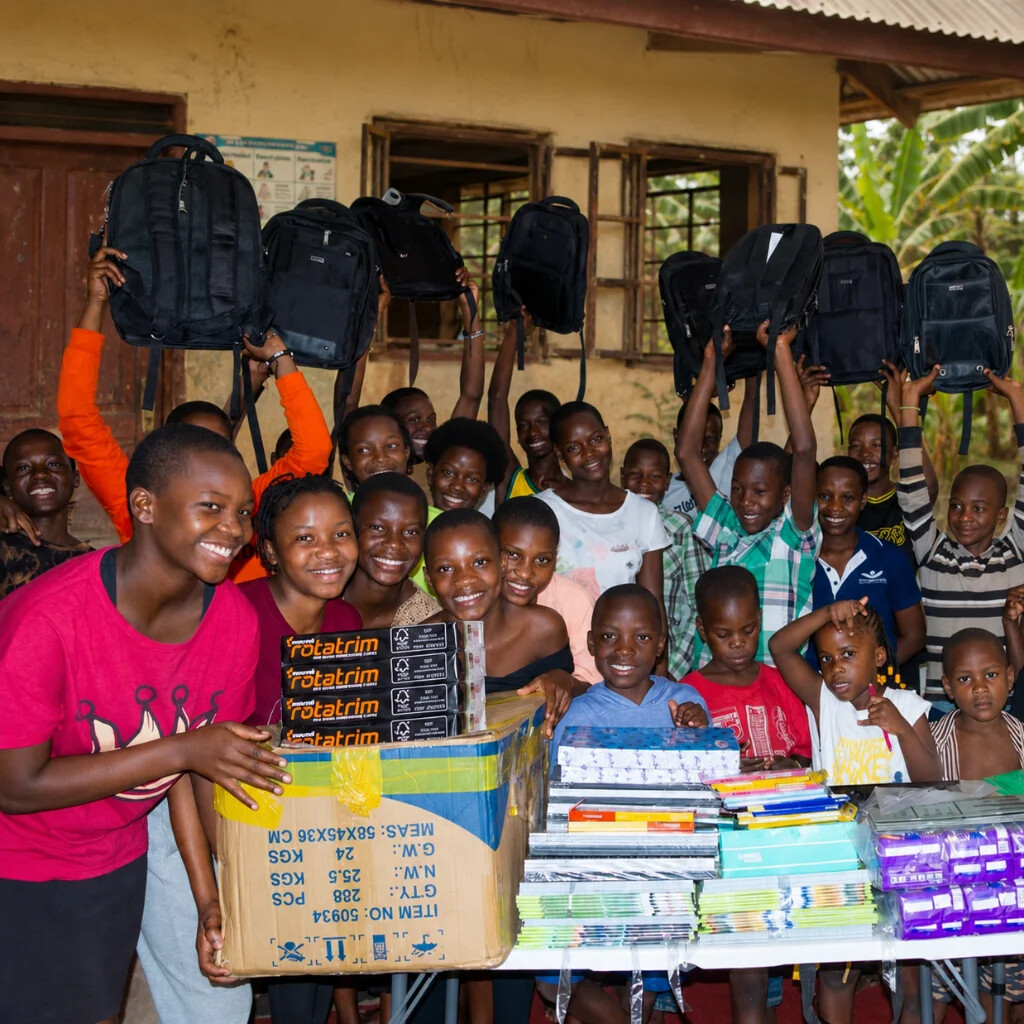
Sponsorship covers all of it: fees, uniforms, books, supplies, and getting children to and from school. It also covers the quieter conditions that make school work, being well fed, properly rested, and living somewhere calm enough to do homework. We've written more about this in our guide to education for orphaned and vulnerable children in Uganda.
Healthcare when a child is unwell
Children get sick. In our part of the world, ordinary childhood illness can become serious when treatment is delayed for want of money, so sponsorship covers medical care and the everyday things that prevent illness in the first place: clean water, decent nutrition, soap, a dry place to sleep.
Most of this provision is invisible. It looks like a child who simply doesn't get very ill, which is a difficult thing to photograph and an easy thing to overlook. It is, nonetheless, one of the most valuable things your support does.
A safe home and a bed of their own
Sponsorship keeps a roof over 50 children: rent, repairs, water, power, bedding, and the steady upkeep that a busy household needs.
Safety isn't only structural. It means adults who are present and consistent, routines a child can rely on, and a place where nobody has to be watchful all the time. Children who have lost that once do not take it for granted when it returns.
Belonging: the part with no price
Here is the part that never appears on a receipt, and the reason we're careful about describing sponsorship as a list of goods.
Children need to belong to someone. They need adults who know their name, notice when they're quiet, remember what they're good at and turn up to watch. Research by UNICEF and Save the Children has consistently found that stable, caring relationships are central to how children recover and develop, not an optional extra once the practical needs are met.
This is why we run a family-style home rather than an institution, and why we think about care in terms of relationships first. If you'd like to understand that thinking, our post on why family-based care matters for vulnerable children in Uganda explains it properly.
Practically, sponsorship provides belonging by making it affordable to keep good carers, keep the household stable, and keep children together in one place long enough for those relationships to actually form.
Faith, and being known by name
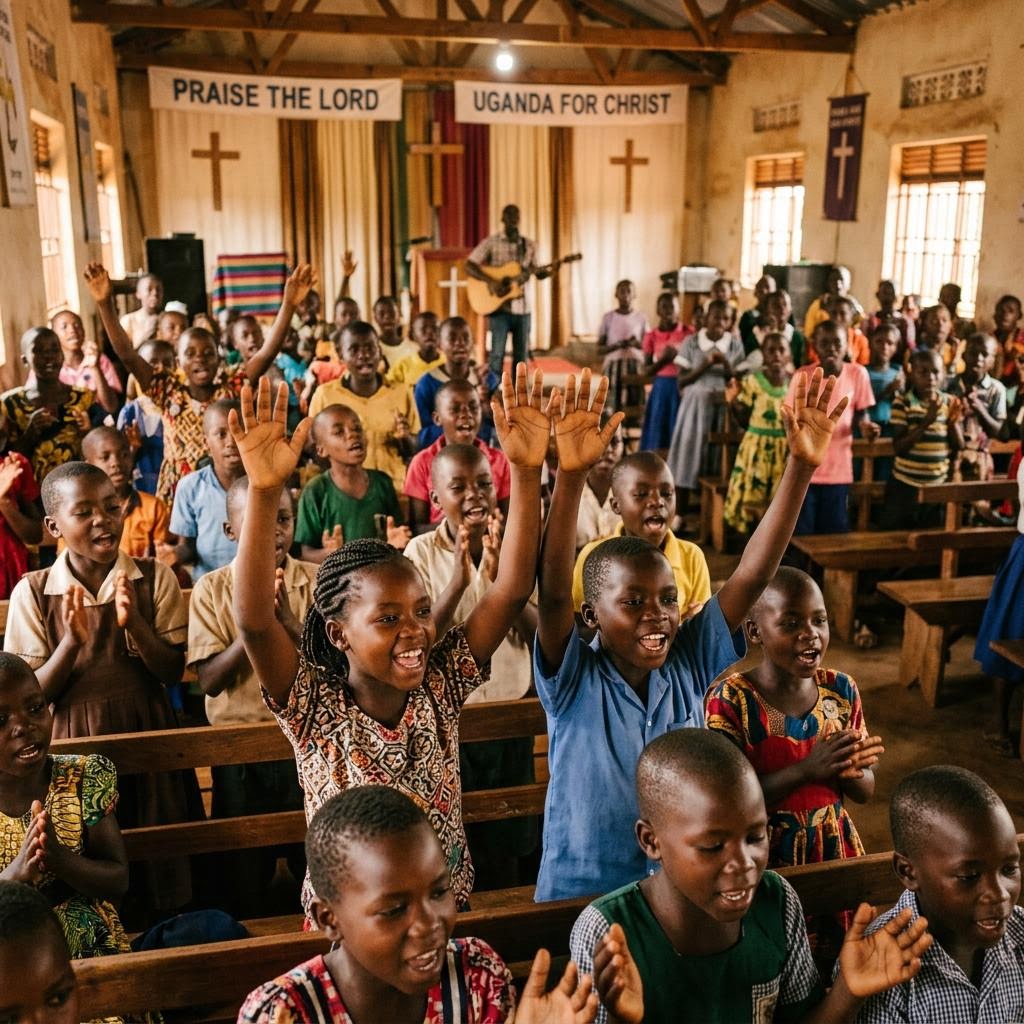
Tender Love is a Christian home, and sponsorship supports that side of a child's life too: worship, prayer, discipleship, and the ordinary rhythm of a household where faith is lived rather than announced.
We're careful here. Faith at Tender Love is offered warmly, not used as a condition of care, and never as leverage over a child. You can read more about how this shapes our work in Christian child sponsorship in Uganda.
Play, friendship and an ordinary childhood
Sponsorship also pays for things that sound frivolous and absolutely are not: a football, art supplies, space to run around, time that isn't accounted for.
A childhood made entirely of provision and gratitude isn't a childhood. Children need to be silly, to have friends, to be bored occasionally, to lose a game badly and want a rematch. When people ask what their money buys, part of the honest answer is "an ordinary Saturday", and we make no apology for that.
Our post on daily life at Tender Love walks through what a normal day actually looks like.
Preparation for adulthood
Care that ends abruptly at eighteen isn't care, it's a countdown. Sponsorship supports the long work of getting a child ready to leave well: schooling carried through to completion where a child is able, vocational training where that's the better path, chores and responsibility, life skills, and the plain experience of being trusted with something.
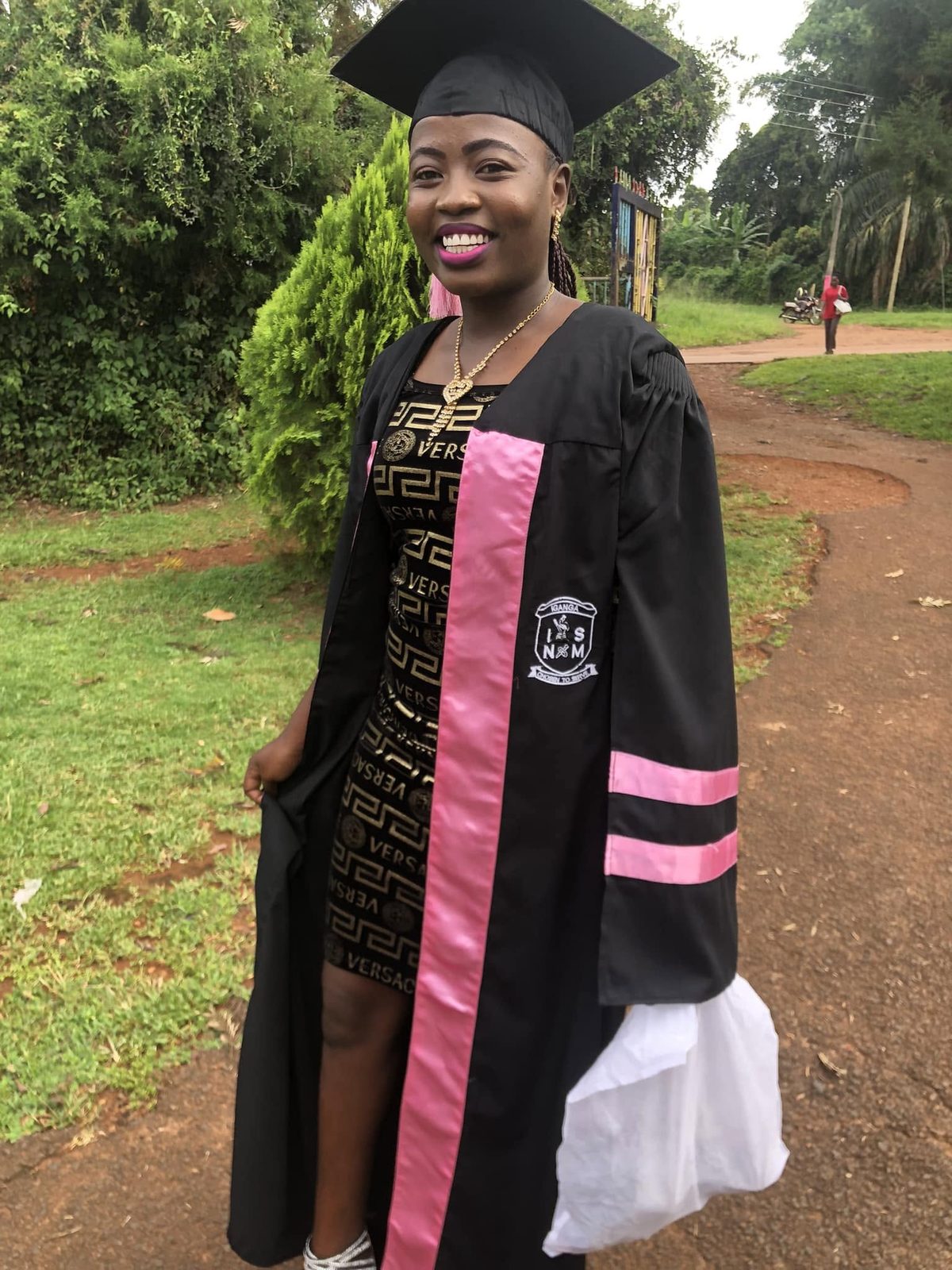
The children who have graduated from our care are the clearest evidence that consistent support works. They didn't need rescuing. They needed someone to keep showing up while they grew.
What sponsorship cannot provide
An honest article has to include this part.
Sponsorship is not adoption. It creates no legal relationship with a child, and Tender Love is a children's home rather than an adoption agency. We don't place children with families. We explain the difference in our post on adopting a child from Uganda.
Sponsorship doesn't buy a relationship. Some organisations promise regular letters and photographs of a named child. We'd rather not build our care around producing correspondence, and we're wary of anything that treats a child's attention as a benefit owed to a donor. If you'd like to hear how the children are going, ask us. We'll gladly tell you.
Sponsorship doesn't undo a child's history. It provides safety, provision and love going forward. That is a great deal, and it is not the same as erasing what came before.
And your gift isn't ring-fenced to one child's account. Sponsorship supports the household that a child lives in. We think that's the right way to run a home: no child eats better because their sponsor gives more, but supporters deserve to know it plainly rather than discover it later.
Why the monthly part matters
The single most useful feature of sponsorship isn't the amount. It's the rhythm.
School fees fall due on a schedule. Food is needed weekly. Rent doesn't wait. Regular giving lets us commit to a child's education a year ahead instead of hoping the money arrives, and it is the difference between running a home and reacting to one.
One-off gifts matter too, and we're grateful for every one. But if you're deciding between a larger occasional donation and a smaller monthly one, the smaller monthly gift is usually worth more to us. Our guide to giving safely to a children's charity in Uganda covers what else to look for before you commit to any organisation.
Where to start
You choose your own amount. Our giving form suggests $10, $25, $50 or $100 a month, and you can enter any figure that suits your circumstances. There's no minimum to be part of this. If you'd like to see how those amounts translate into daily provision, our post on what it costs to sponsor a child in Uganda breaks it down.
If you'd rather start somewhere other than money, that's genuinely welcome too. There are other ways to help, including prayer, skills offered remotely, and simply telling someone else about these children.
And if you have a question we haven't answered here, ask us. We would much rather explain ourselves properly than have you give out of uncertainty.
Frequently asked questions
What does child sponsorship provide? +
Does sponsorship cover school fees in Uganda? +
Is my sponsorship money used for one specific child? +
Is child sponsorship the same as adoption? +
Will I receive letters and photos from the child I sponsor? +
How much does it cost to sponsor a child at Tender Love? +
Why is monthly giving better than a one-off donation? +
Every child deserves to be loved
Your support helps provide food, education, healthcare and a loving Christian family for vulnerable children in Jinja, Uganda. Will you help today?