How to Give Safely to a Children's Charity in Uganda
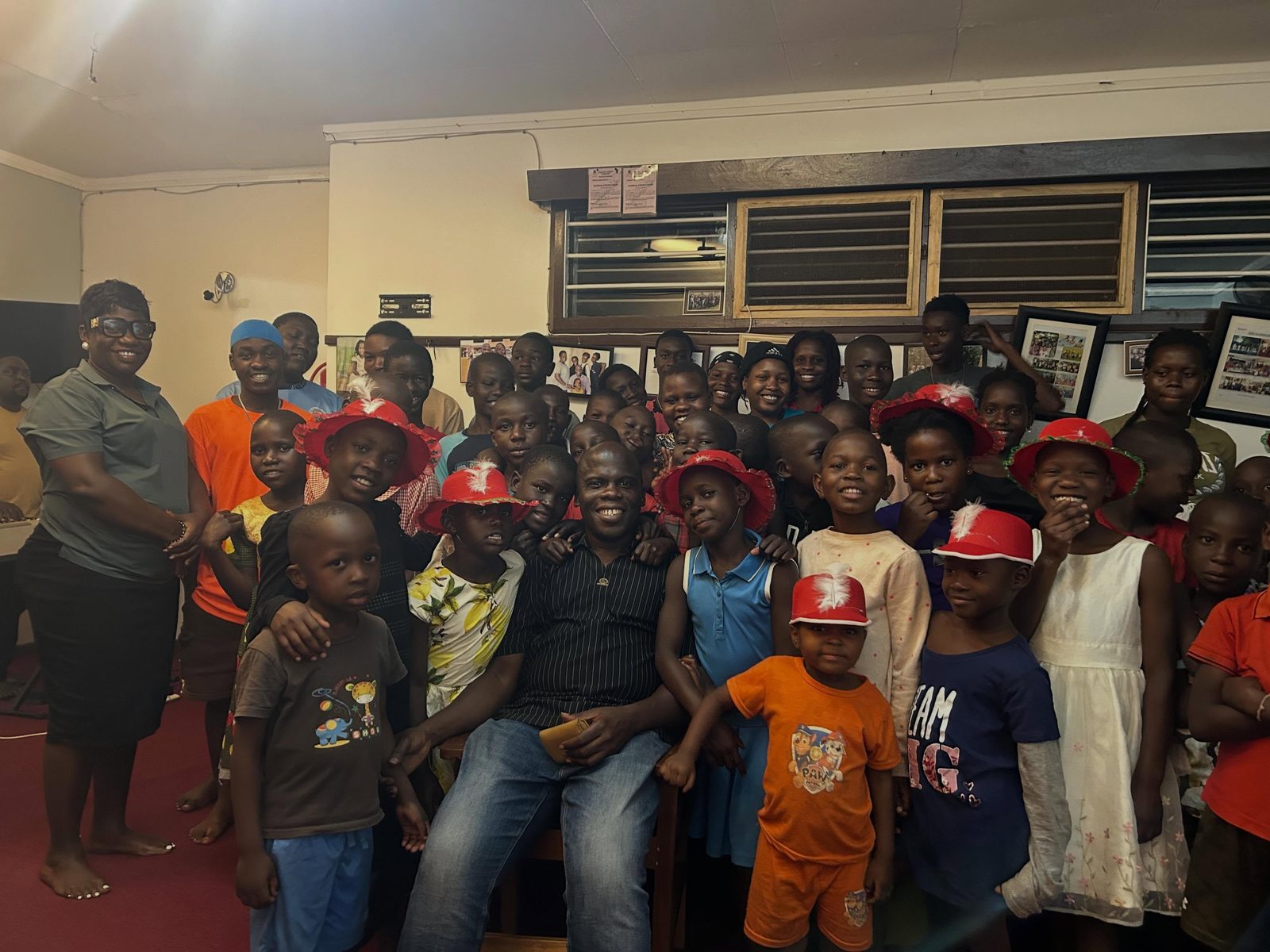
If you're planning to donate to children in Uganda, one of the wisest things you can do is pause and ask a few good questions first. Generosity and discernment belong together, and the organisations genuinely worth supporting will welcome your scrutiny rather than resent it.
We say that as a small children's home ourselves. This guide is an honest checklist for evaluating any children's charity in Uganda: the red flags to avoid, the green flags to look for, the questions worth asking, and how to give securely. Use it on us, too.
Why it pays to ask questions first
The overwhelming majority of people working with vulnerable children in Uganda are honest, dedicated and doing extraordinary work on very little. But charity is an area where good intentions can be exploited, and where well-meaning giving can occasionally do harm rather than good, so a little diligence protects both you and the children.
Giving safely isn't about being cynical. It's about making sure your generosity lands where it will genuinely help. A few minutes of checking can turn a hopeful donation into a confident one you're glad to repeat for years.
Red flags to watch for
Some warning signs are worth taking seriously. Be cautious of an organisation that:
- Hides who it is: no named leaders, no real address, no way to contact a person.
- Uses heavy guilt or shock tactics: distressing images of children used to pressure you.
- Shares children's private histories: full names, trauma details or medical information.
- Promises unrealistic outcomes: grand claims with no substance behind them.
- Pressures you to give immediately: countdowns, urgency and "act now or else".
- Asks for untraceable payments: gift cards, cryptocurrency or personal transfers to an individual.
- Won't answer questions: vagueness or defensiveness when you ask how money is used.
Any one of these on its own may have an innocent explanation. Several together are a good reason to give your money elsewhere.
Signs of a charity you can trust
Encouragingly, the positive signs are just as easy to spot. Look for:
- Named, findable people: real leaders you can look up and contact.
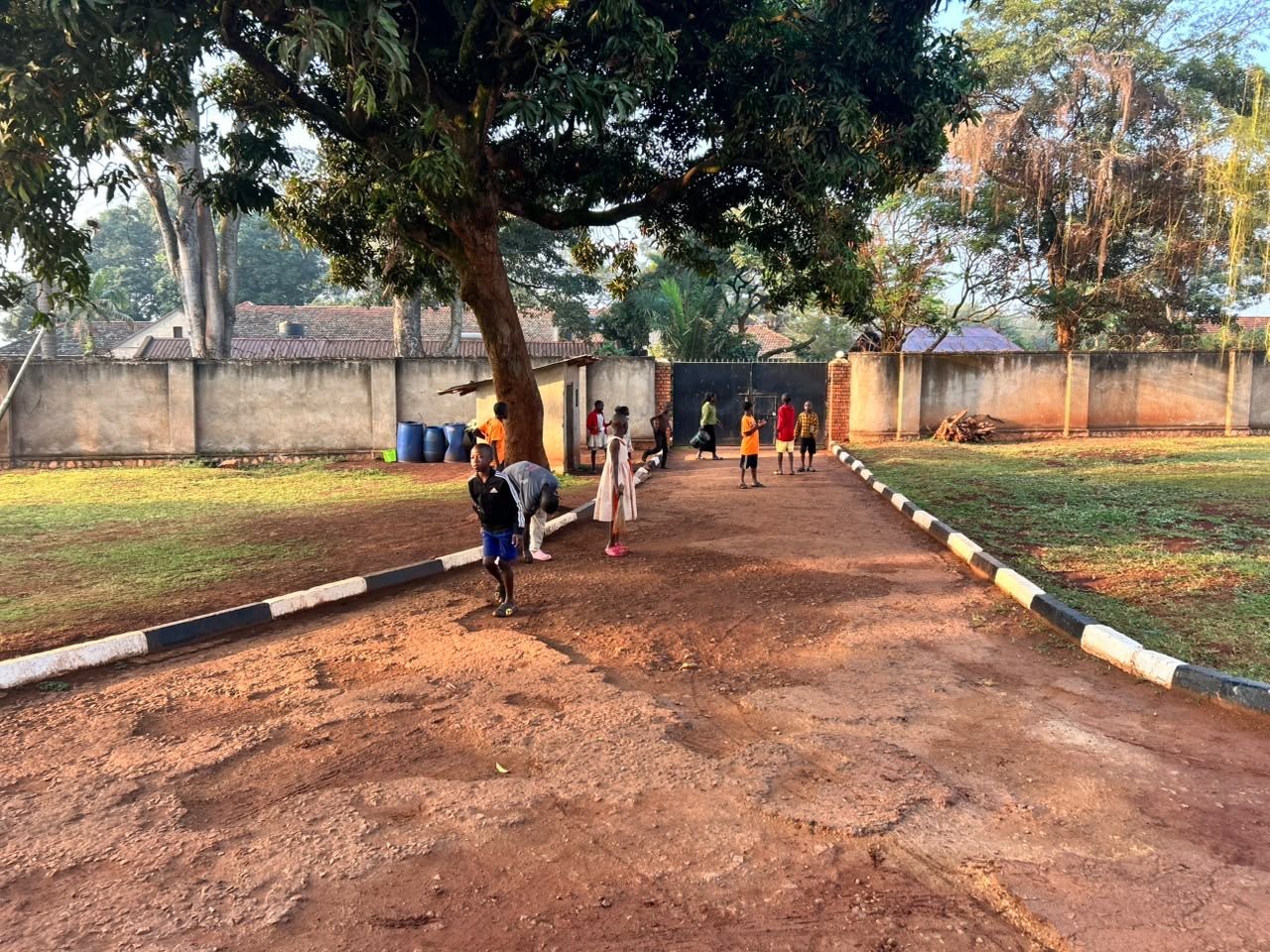
- A real location: a genuine address and presence in the community it serves.
- Dignified storytelling: children shown with joy and respect, not as objects of pity.
- Clarity about the work: a clear explanation of who they help and how.
- Openness to questions: they'd rather explain than pressure.
- Secure, traceable payment: a reputable processor, not a personal account.
- Consistency over time: a visible track record rather than a brand-new appeal.
Questions worth asking before you give
You are entirely within your rights to ask these of any organisation, including us. A good charity will answer them gladly:
- Who leads the organisation, and how can I contact them?
- How many children do you care for, and what does that care involve?
- What will my donation specifically pay for?
- How do you protect the children's safety and privacy?
- How is my payment processed, and can I cancel a recurring gift?
- What are your biggest costs and current needs?
Notice what these have in common: none of them are hostile. They're the questions a thoughtful friend would ask, and the answers tell you a great deal about how an organisation operates.
Watch how they talk about children
This one is easy to overlook, but it may be the most revealing test of all. How an organisation portrays the children in its care says everything about its values.
Responsible charities protect children's dignity and privacy. They avoid publishing full names or identifying details of minors, they don't broadcast a child's trauma history or medical information, and they never turn a child's hardest day into a fundraising prop. Guidance from bodies such as UNICEF and Save the Children is consistent on this point.
If an organisation is careless with children's dignity in public, it's fair to wonder how careful it is in private.
Giving securely online
Practical security matters too. Before entering card details, check that the website uses https, and that payment is handled by a recognised processor such as Stripe or PayPal rather than a form that stores your details itself.
Be wary of any request to send money by gift card, cryptocurrency, or a personal transfer to an individual's account, legitimate charities don't need those, and such payments are almost impossible to trace or recover. And for monthly giving, make sure you can cancel easily whenever you need to.
Should I send clothes or toys instead of money?
It's a kind instinct, and one we're asked about often. Sending a box of clothes, shoes or toys feels more tangible than transferring money. You can picture exactly where it goes.
In practice, though, shipping goods to Uganda is usually the least efficient way to help. International postage often costs more than the items are worth, parcels can attract customs charges the receiving home must pay, delivery can take months, and the sizes or items may not match what the children actually need right now.
Money given locally goes much further. The same amount spent on international shipping can buy considerably more food, uniforms or medicine at Jinja prices, bought fresh, in the right sizes, exactly when it's needed, while also supporting local traders. If you'd love to give something specific, the best approach is simply to ask the organisation what they need most and let them buy it locally on your behalf.
Big charity or small ministry: which is safer?
People often assume bigger means safer. In reality, both have strengths. Large international charities have formal audits and published accounts; small local ministries have far lower overheads and much closer knowledge of every child they serve.
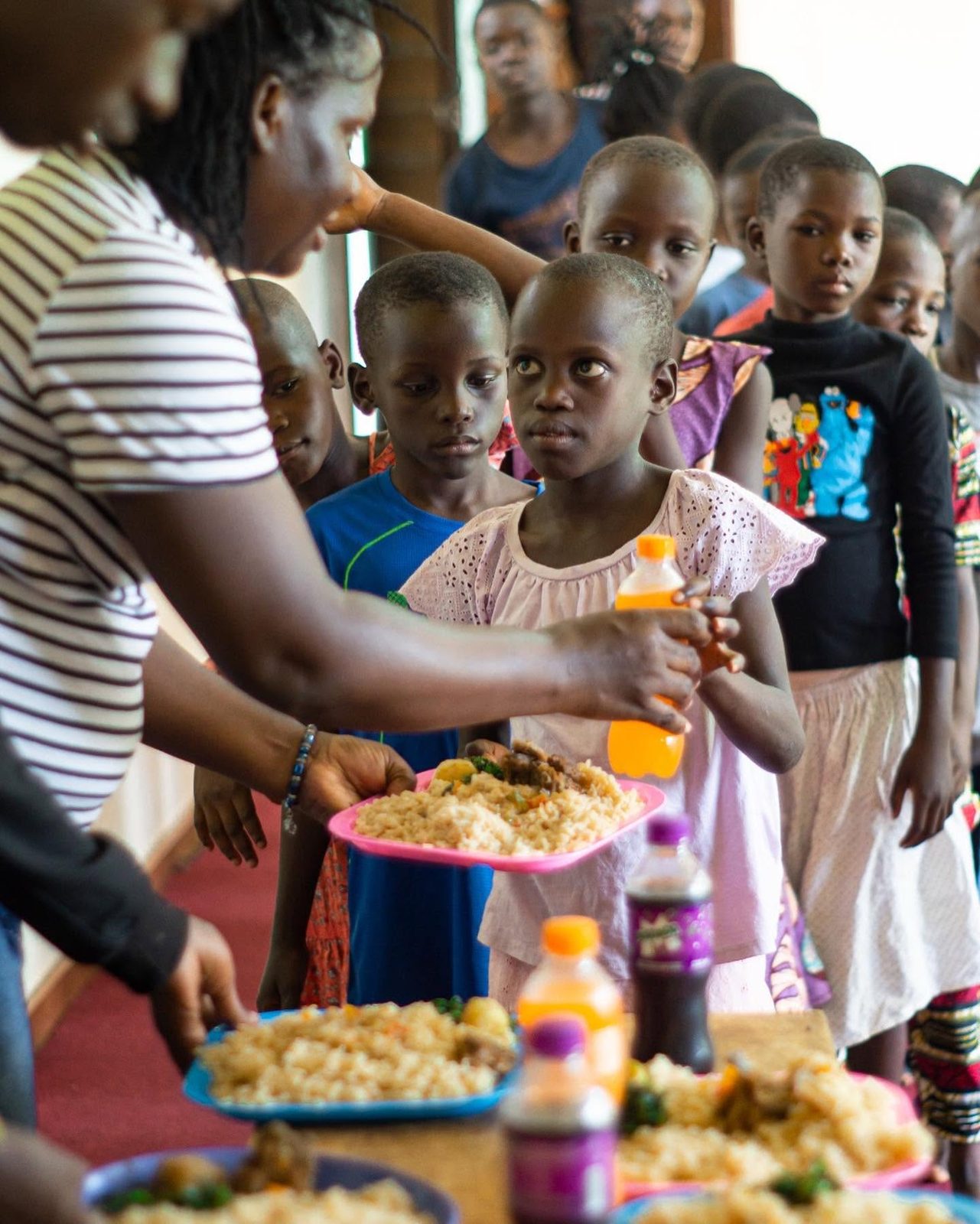
With a small organisation, the sensible approach is simply to look for the human signals: named leaders, a real address, honest communication, dignified storytelling and secure payments. Trust that is earned personally is worth just as much as trust that comes from a logo.
How we try to earn your trust
We'd rather show you than tell you, so here's how Tender Love measures against our own checklist:
- Named leaders. We are Pastor Dominic and Rachael Muggaga, and we live with the children we care for.
- A real address. Plot 14A Circular Road, Jinja, Uganda, with a phone number and email that reach us.
- A clear description of our work. We care for 50 children as one family, providing food, schooling, healthcare and a home.
- Dignified storytelling. We show our children's joy and potential, never their hardest days.
- Secure payments. Giving is processed by Stripe; we never see or store your card details, and monthly gifts can be cancelled anytime.
- Open to questions. Ask us anything before you give. We'd genuinely prefer it.
We're a small ministry rather than a large international organisation, and we won't pretend otherwise. What we can offer is transparency, a real family you can get to know, and a home you can see for yourself through our daily life and founding story.
Giving to Tender Love
If this checklist has helped you feel confident, whether about us or about another organisation, then it has done its job. Giving wisely is part of giving well.
When you're ready, you can sponsor a child, explore other ways to help, read about what sponsorship costs and covers, or simply ask us a question first. However you choose to give, we hope you do it with complete peace of mind. The children deserve supporters who gave thoughtfully, not just generously.
Frequently asked questions
How do I know a children's charity in Uganda is legitimate? +
What are the biggest red flags when donating? +
Is it safe to donate to a small charity rather than a big one? +
How can I tell if a charity treats children respectfully? +
What is the safest way to pay a donation online? +
Can I ask Tender Love questions before I donate? +
Every child deserves to be loved
Your support helps provide food, education, healthcare and a loving Christian family for vulnerable children in Jinja, Uganda. Will you help today?