More Than Food and Shelter: What Children Really Need to Thrive
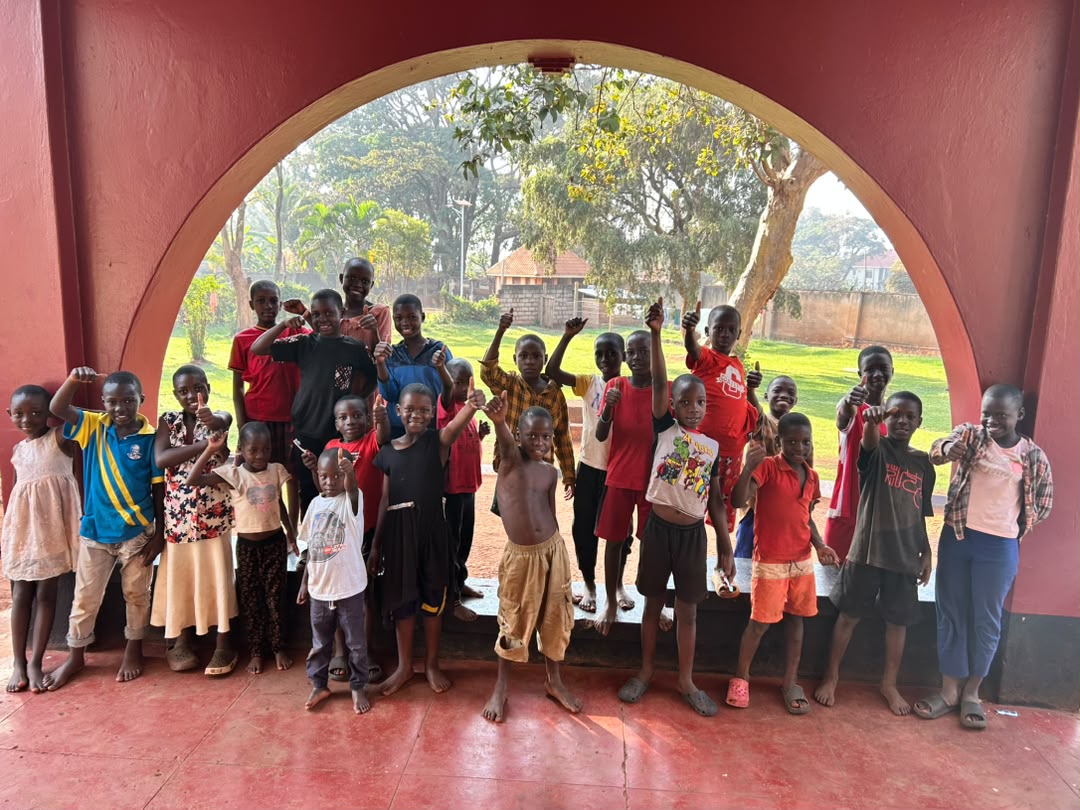
Ask most people what vulnerable children need and you'll get a sensible shopping list: food, a roof, clothes, maybe school fees. None of it is wrong. All of it is incomplete.
We know because we live on the other side of that list. Tender Love is home to 50 children in Jinja, Uganda, and if raising them has taught our family anything, it's this: you can meet every physical need on the list and still fail a child. Survival and childhood are not the same thing.
This article is about the difference, what turns "provided for" into thriving, and why the invisible needs are just as real as the ones you can pack in a box.
Food and shelter: the floor, not the goal
Let's start by honouring the list. Hunger is not a character-building experience; it's a thief that steals concentration, sleep, growth and joy. A dry bed and a locked door at night are not luxuries. Every good thing in this article is built on that floor, and a child without it can't reach anything else.
But notice what the list describes: the conditions for staying alive. Nobody looks back on a happy childhood and says "we had reliable calories and adequate roofing." They remember people, places, jokes, Saturdays. The floor matters because of what gets built on it.
Safety a child can feel
There's a difference between a child who is safe and a child who feels safe, and the second one is where thriving starts. A child can be perfectly protected and still braced for the next loss, sleeping lightly, hoarding food, watching the door.
Felt safety is built slowly, out of boring things: the same adults every morning, meals that arrive without fail, rules that don't change with someone's mood, and the discovery, tested many times, that mistakes are met with correction, not catastrophe. We've written about the deliberate side of this in what child protection means and why it matters in Uganda; the child's side of it is simpler. It looks like shoulders dropping.
Someone who stays
If we could give a vulnerable child only one thing beyond survival, it would be this: an adult who stays.
Child-development research is unusually unanimous here. The Nurturing Care Framework, developed by the World Health Organization and UNICEF, puts responsive caregiving, an adult who notices, understands and answers a child, at the centre of healthy development, alongside health, nutrition, safety and learning. And UNICEF's work on child development keeps returning to the same point: children develop through relationships, not programs.
This is why children need to be raised, not processed. A rotating cast of well-meaning adults can keep a child alive; it cannot convince a child they belong to someone. It's the reason we run one family-style home rather than an institution, a case we make properly in why family-based care matters, and the reason the question "who stays?" is worth asking of any children's organisation you support.
An education that keeps going
School is the one item from the shopping list that reaches into a child's future, and for vulnerable children it's also the most fragile. Fees, uniforms, books and exam costs mean that when a family's money runs out, school is what stops first, and every interruption makes going back harder.
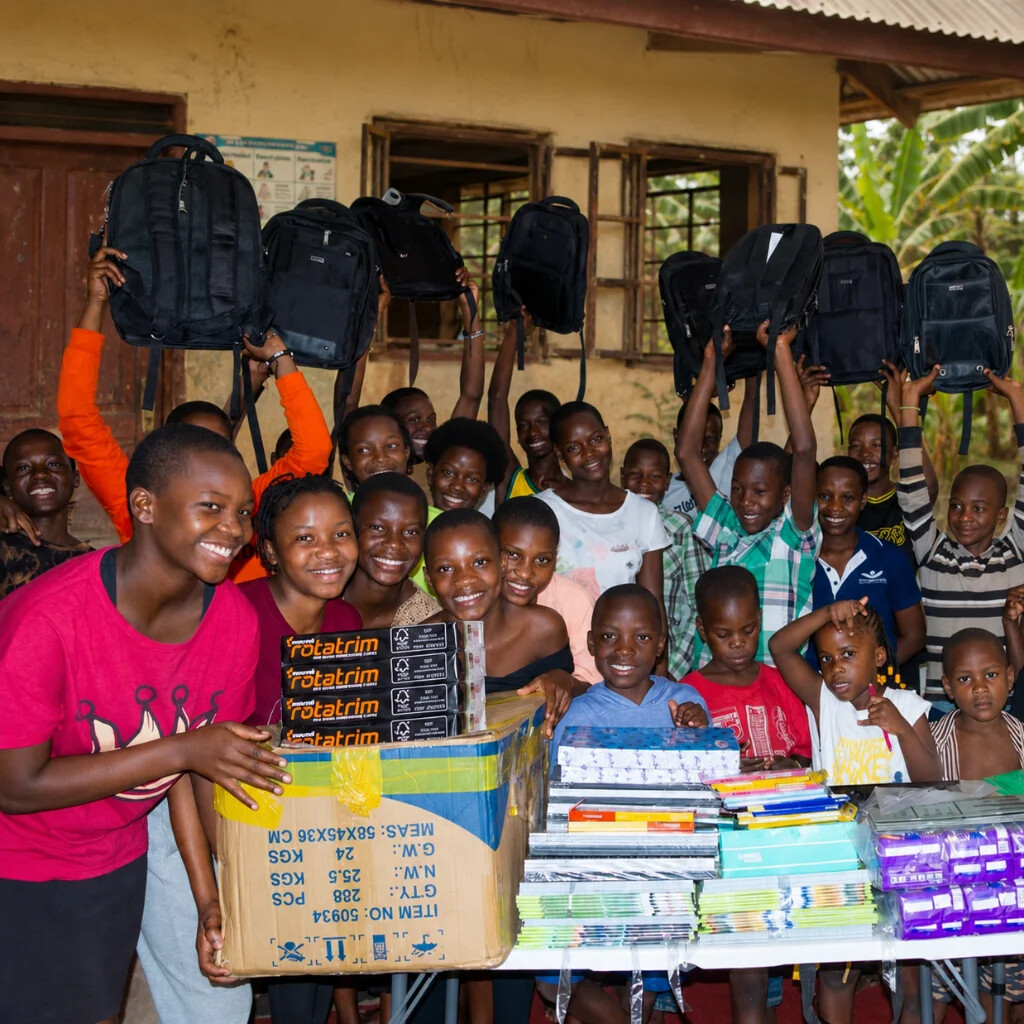
So the real need isn't "school". It's continuity of school: fees paid on time, every term, for years, with a fed and rested child turning up to use them. That's a promise rather than a purchase, which is why it depends so heavily on steady support. We've unpacked the costs and the stakes in education for orphaned and vulnerable children in Uganda.
Health, mostly invisible
Thriving children need healthcare, but most of what keeps a child healthy never involves a clinic: enough good food, clean water, soap, a mosquito-free place to sleep, and adults who notice a fever early. Prevention is quiet, cheap and easy to overlook, right up until it's missing.
The visible half, treatment when a child is genuinely unwell, matters precisely because delay is what turns ordinary childhood illness into something worse. A child who knows they'll be taken seriously when they say "I feel sick" is carrying one less fear around.
Room to be a child
Here's the need that never makes the shopping list: play. Not structured enrichment activities: actual play. Football with a homemade ball, made-up games with shifting rules, time that belongs to nobody.
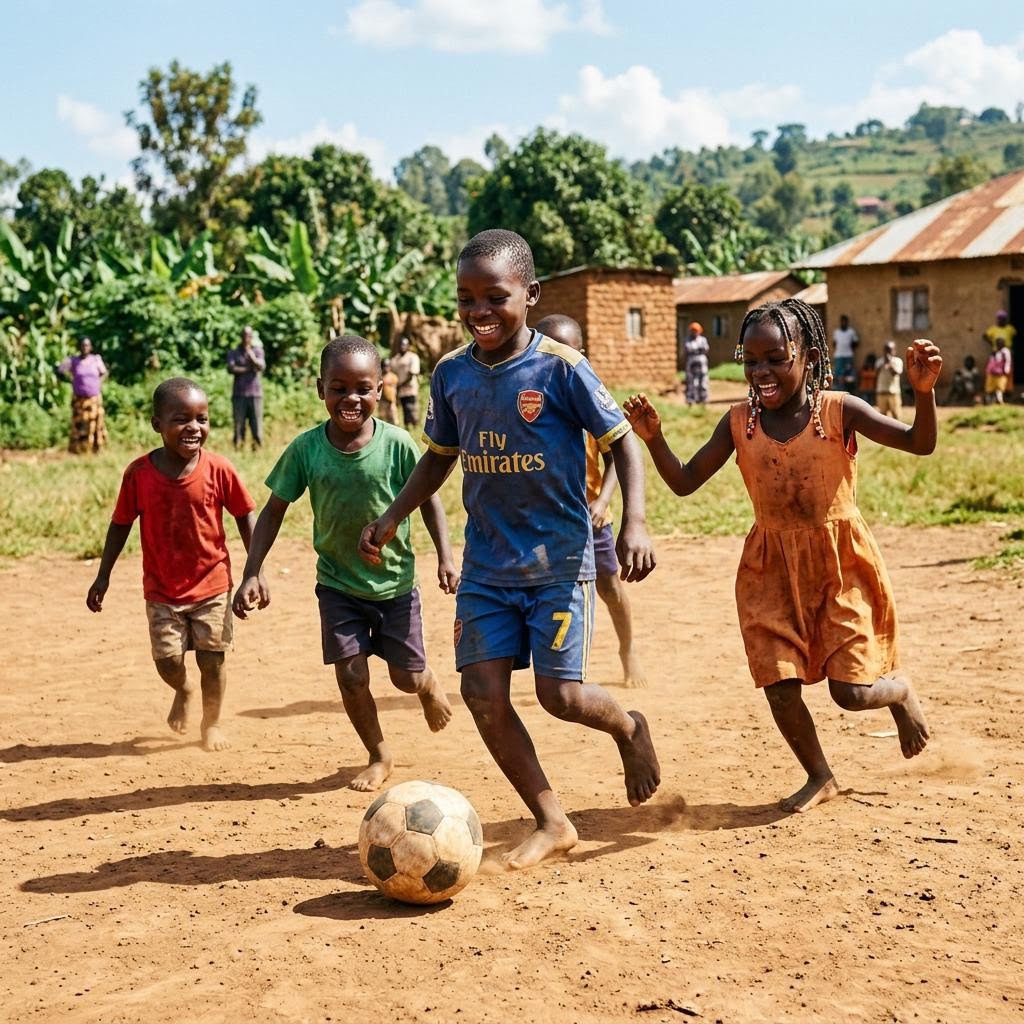
Play is how children process what's happened to them, practise friendship, burn off worry and discover what they're good at. A childhood of pure provision and gratitude, where every hour is accounted for and every gift must be deserved, isn't a childhood at all. When visitors see our compound loud and chaotic at four in the afternoon, they're not seeing spare time. They're seeing the point. (Daily life at Tender Love shows where play fits in a normal day.)
Something to hope in
Children ask big questions, and children who've lost people ask the biggest ones: Why did this happen? Am I wanted? What happens next?
We're a Christian home, and we don't pretend otherwise: the children grow up inside a faith that answers those questions with worship on Sunday, prayer over meals, and the daily sight of adults who serve them because of what they believe. Held the right way, offered warmly, never used as a condition of care, faith gives a child a story bigger than their loss and a community that isn't going anywhere. We've written about how we hold it in Christian child sponsorship in Uganda.
A road to adulthood
Every need on this page has a destination: a capable adult. Care that only asks "is the child okay today?" quietly fails them at eighteen.
So thriving includes things that look mundane: chores done properly, vegetables grown and watered, money understood, schooling carried through to completion or a trade learned, and responsibility handed over in doses a child can carry. Our older children help the younger ones not because we're short-staffed, but because being needed is part of growing up.

Why the pieces only work together
Here's what living this work makes obvious: none of these needs works alone. A fed child who feels unsafe doesn't learn. A schooled child with no one who stays has nowhere to take their report card. A safe child with no play never quite becomes themselves.
That's why "holistic care", a phrase that sounds like charity jargon, is really just a description of what every good family already does without naming it. Children don't experience their needs as categories. They experience a life, whole. The organisations worth supporting are the ones that plan for the whole life, and we've explained what that whole looks like item by item for a sponsored child at Tender Love.
What this means for helping
If thriving needs all the pieces, then the most valuable support is the kind that funds a household, steadily, rather than a single item, dramatically. Steady giving is what keeps the same carers on staff, the same routines running and the same school fees paid, the unglamorous continuity that every section of this article quietly depends on.
That's what monthly sponsorship does. It isn't buying a child's dinner; it's underwriting a childhood. If sponsorship isn't the right fit, there are other ways to help, one-off gifts, prayer, sharing this work with your church or family, and if you want to know how any of it reaches the children, ask us directly. We'd love to tell you.
Frequently asked questions
What do vulnerable children need beyond food and shelter? +
What is holistic care for children? +
Why are stable relationships so important for vulnerable children? +
Why does play matter for children who have experienced hardship? +
How does Tender Love provide holistic care? +
What is the best way to support a vulnerable child's whole development? +
Can I choose what my donation supports at Tender Love? +
Every child deserves to be loved
Your support helps provide food, education, healthcare and a loving Christian family for vulnerable children in Jinja, Uganda. Will you help today?