How to Help Orphans in Uganda Without Travelling
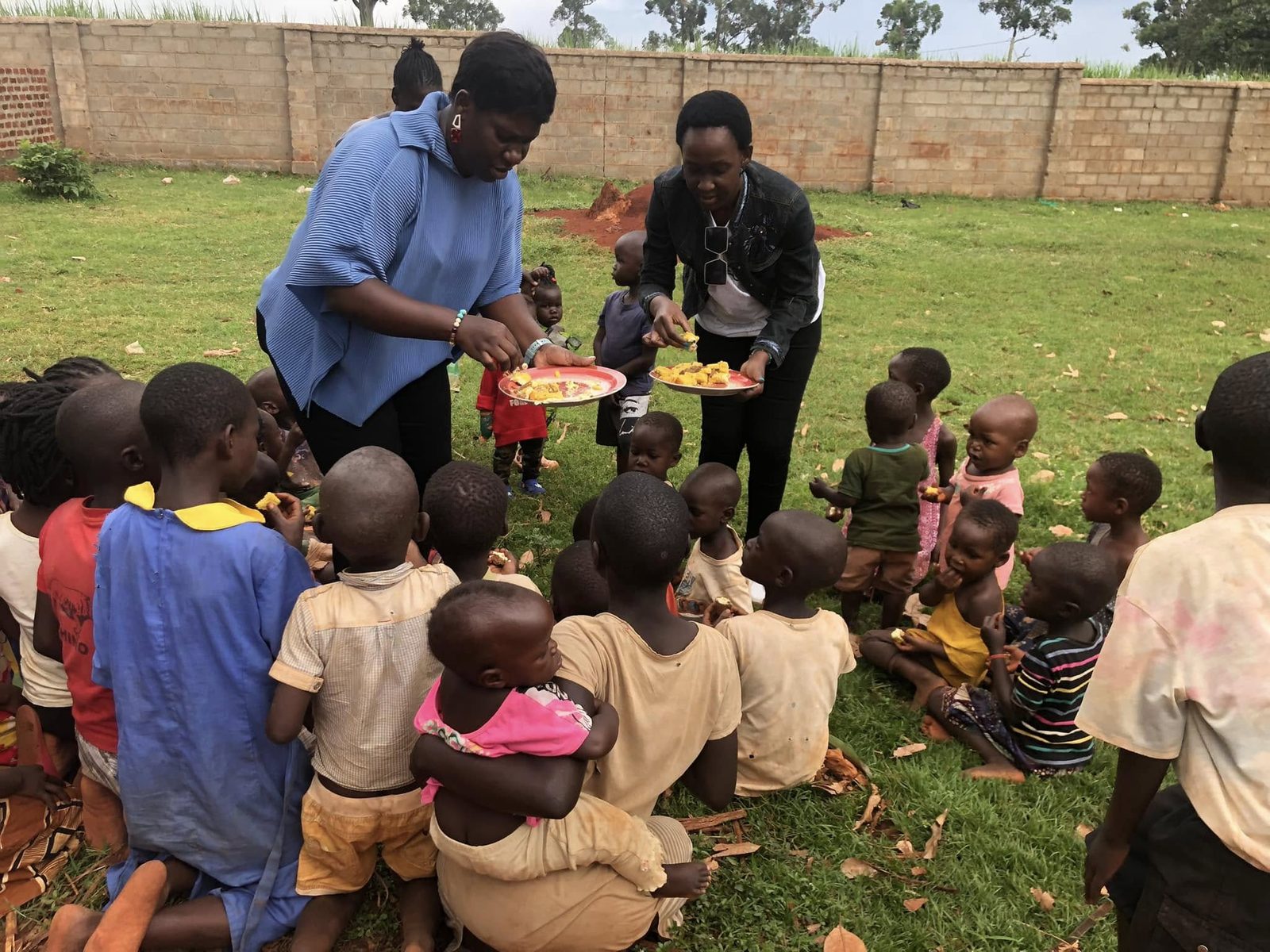
If you've ever wondered how to help orphans in Uganda but assumed you'd need to get on a plane, here's the good news: some of the most valuable help happens from right where you are. A monthly gift, a prayer, a shared post, a small fundraiser, these quietly keep a child fed, schooled and safe, week after week.
In fact, for vulnerable children, steady support from afar is often far more useful than a short visit. This guide walks through practical, ethical ways to make a real difference for orphaned and vulnerable children in Uganda, no travel required.
Why helping from afar really works
It feels natural to think the best way to help is to show up in person. But when it comes to vulnerable children, consistency matters more than presence. Children thrive on stable routines and trusted, familiar carers, not a stream of visitors passing through.
Organisations such as UNICEF and Save the Children increasingly caution against short-term "orphanage tourism," and encourage support that strengthens ongoing, family-style care instead. The best help you can give is the kind that keeps working long after any visit would have ended, and nearly all of it can be done from home.
1. Sponsor a child (the most powerful option)
Child sponsorship is a regular monthly gift that helps provide a specific child with food, schooling, healthcare and daily care. It's the single most effective way to help, because it gives a children's home the predictable, month-by-month income it needs to plan ahead and keep its promises.

Sponsorship is also a relationship: it connects you with a real child's journey over time. If you're ready, you can sponsor a child in a couple of minutes, and it's the gift that keeps giving all year round.
2. Give a one-off gift toward a real need
Not everyone can commit monthly, and that's completely fine. A single donation still goes a long way, toward a term of school fees, a medical need, food, mattresses or shoes. Many supporters give a one-off gift at Christmas, a birthday, or in memory of a loved one.
Every gift, large or small, adds up to a fed, schooled, cared-for child. You can make a one-time donation on our Get Involved page whenever it suits you.
What your gift actually provides
It can be hard to picture where your money goes. At a Christian children's home like ours, giving is wonderfully practical: it turns almost immediately into the everyday things a child needs to grow up safe and well:
- Nutritious meals: rice, beans, fresh vegetables and clean water, every day.
- Schooling: fees, uniforms, books, pens and school bags.
- Healthcare: medicine and a doctor when a child is unwell.
- A safe home: a bed, clothes, shoes and trusted carers.
- Love and discipleship: the family, faith and belonging every child deserves.
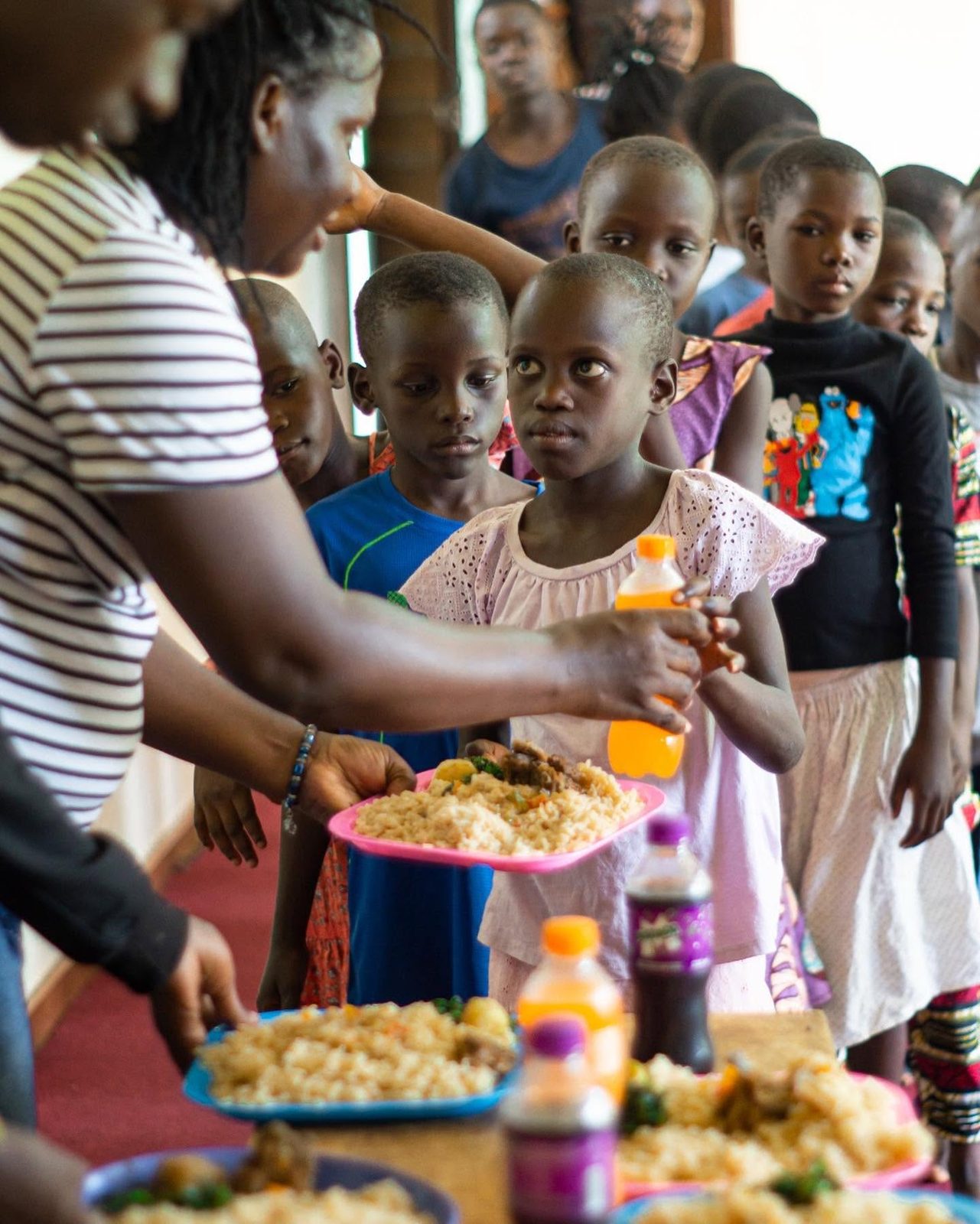
None of it is abstract. A gift given from your kitchen table becomes a meal on a child's plate, a uniform on their back, a reason to smile, thousands of kilometres away, and often within the same week.
3. Fund a child's education
If you want your help to change a future, put it toward education. School fees, uniforms, books and supplies are among the biggest ongoing costs for any children's home in Uganda, and among the highest-impact investments you can make in a child's life.
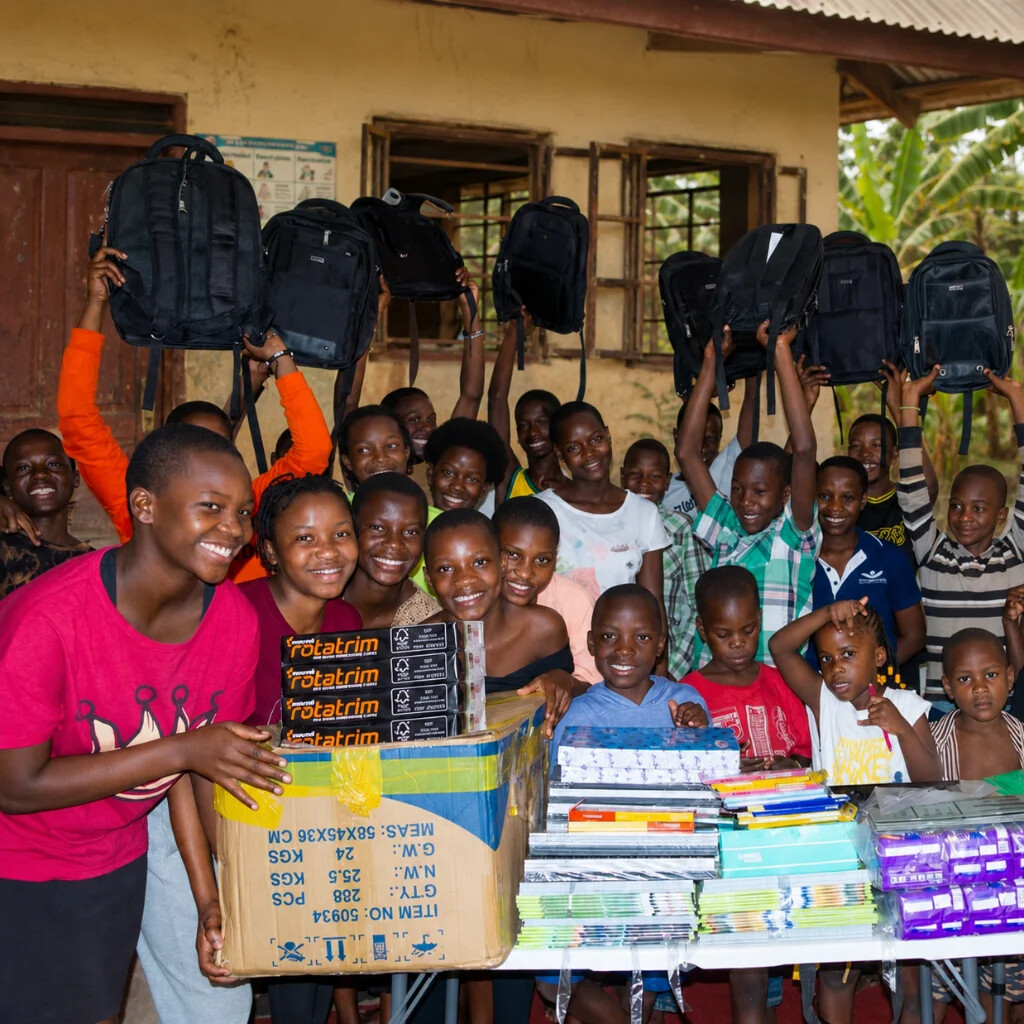
World Vision Uganda and others describe education as one of the surest routes out of poverty. We see it every term, children who arrived with little growing into confident students with real ambitions.
4. Pray
For a Christ-centred home like ours, prayer is not a lesser way to help. It is a foundation. Praying for the children, their carers and the daily running of the home is something anyone can do, anywhere, and it means a great deal to us.
If you'd like, get in touch and we'll gladly share specific things to pray for. Standing with us in prayer is a genuine and welcome way to help.
5. Fundraise where you are
You can multiply your impact by inviting others in. A few simple ideas that work from anywhere:
- Ask your church, small group or workplace to sponsor a child together.
- Dedicate a birthday or special occasion to fundraising instead of gifts.
- Run a bake sale, fun run, quiz night or coffee morning.
- Set up a simple online fundraiser and share the link.
Group giving turns one supporter into many, and shares the joy of helping around.
6. Share our story and raise awareness
Never underestimate a share. Following and sharing our updates costs nothing and helps more people discover the children, which brings in more sponsors and support. Awareness is the quiet engine behind every gift.
You can read and share our story, like how our orphanage in Jinja cares for vulnerable children, or what daily life looks like, with your friends, family and church. A single post seen by the right person can become a child's sponsor for years. Telling the truth about these children, their joy, their dignity, their potential, is itself a form of care.
7. Give your skills
Some of the best help isn't money at all. If you have professional skills (design, writing, photography, web, accounting, teaching, medical knowledge), you may be able to volunteer them remotely. Skilled help, offered from home, can be worth as much as a donation.
If you'd like to offer a skill, tell us on our Contact page and we'll let you know where it could help most. Even a few hours of expert help (a set of fresh photographs, a tidied spreadsheet, some pro-bono advice) can save a ministry money that then goes straight back to the children.
8. Give safely and wisely
Wherever you give, give wisely. Before supporting any children's charity in Uganda, look for a few good signs of trustworthiness:
- Clear information about who they are and who they help.
- Honest, dignified storytelling, never exploiting children's hardship.
- A real focus on safeguarding and the children's long-term wellbeing.
- Openness about how gifts are used.
Good organisations welcome these questions. If you'd like to ask us anything before you give, please do. We'd rather you give with confidence.
How your help reaches children at Tender Love
At Tender Love Orphan Care, help from around the world becomes very practical, very quickly: a hot meal, a school uniform, a doctor's visit, a safe bed, a loving Christian family. We care for 50 children in Jinja, Uganda, not as an institution, but as one household raised together.
Because we run as a family rather than a facility, your help does more than meet a need: it helps a child belong. That is the quiet difference between charity and family: a funded meal is good, but a meal shared at a table with brothers and sisters, carers who know your name, and a future being planned for you, is life-changing. Every way of helping in this guide, however small it seems, adds to that.
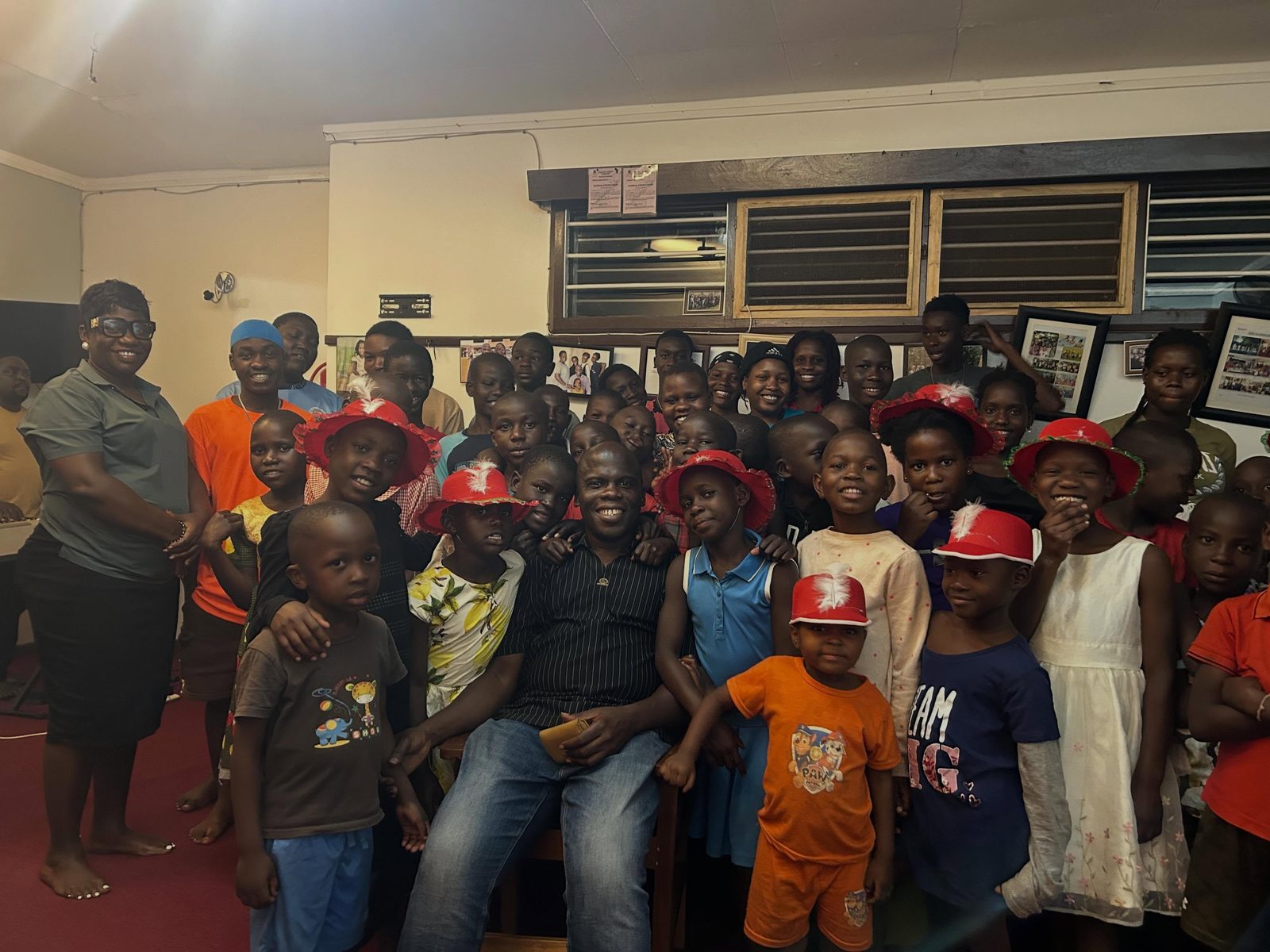
You can learn more about our story, meet the children, and choose the way of helping that fits you best. Whatever you're able to do, from a monthly gift to a simple prayer, reaches a real child, and it matters.
Frequently asked questions
What is the best way to help orphans in Uganda? +
Can I help orphans in Uganda without travelling there? +
How much does it cost to help a child in Uganda? +
Is it better to donate or to volunteer in person? +
How do I know a Uganda children's charity is trustworthy? +
How can my church or group help together? +
Every child deserves to be loved
Your support helps provide food, education, healthcare and a loving Christian family for vulnerable children in Jinja, Uganda. Will you help today?