Why Local Leadership Matters When Supporting Children in Uganda
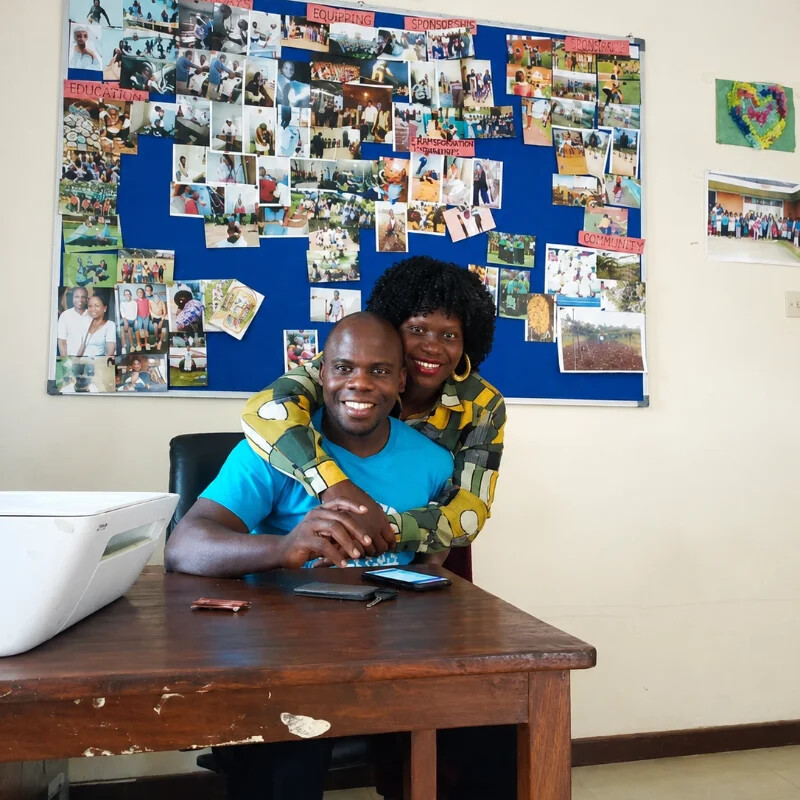
Here's a question most people never think to ask before supporting a local charity in Uganda, or any children's organisation overseas: who actually runs it? Not whose logo is on the website or whose office handles the donations, but who is there at six in the morning when a child wakes up sick. Who decides what's for dinner. Who the children run to.
It sounds like an organisational detail. It isn't. Whether care is led by people from the community it serves, or administered from a distance by people who fly in and out, quietly shapes almost everything about a child's experience of it. We have strong views here, and an obvious interest: Tender Love is a Ugandan family raising Ugandan children in Jinja. But we'll make the case honestly, including what internationals genuinely do better.
The question donors rarely ask
Charity marketing is very good at showing you children. It's usually much quieter about showing you leadership. Yet leadership is the thing your gift actually funds: someone decides how money is spent, which child needs what, how carers behave when no one is watching, and what happens when things go wrong.
So "who runs this?" is not administrative trivia. It's the most predictive question you can ask about a children's organisation. And in Uganda, as across East Africa, the honest answers vary widely: some organisations are founded and led by local people; some are international brands with local staff but distant decision-makers; and some are, practically speaking, whoever happens to be visiting this month.
What local leaders know that money can't buy
Raising children well in Jinja requires a thousand pieces of knowledge that never appear in a job description. Which schools genuinely teach and which merely collect fees. What food costs this season and which market seller weights her scales. How to spot the difference between a child who is quiet by nature and one who is quiet because something happened. What a fair price for a boda ride is, which clinic to trust at 2am, how the local council works, and what a particular silence in a particular family means.
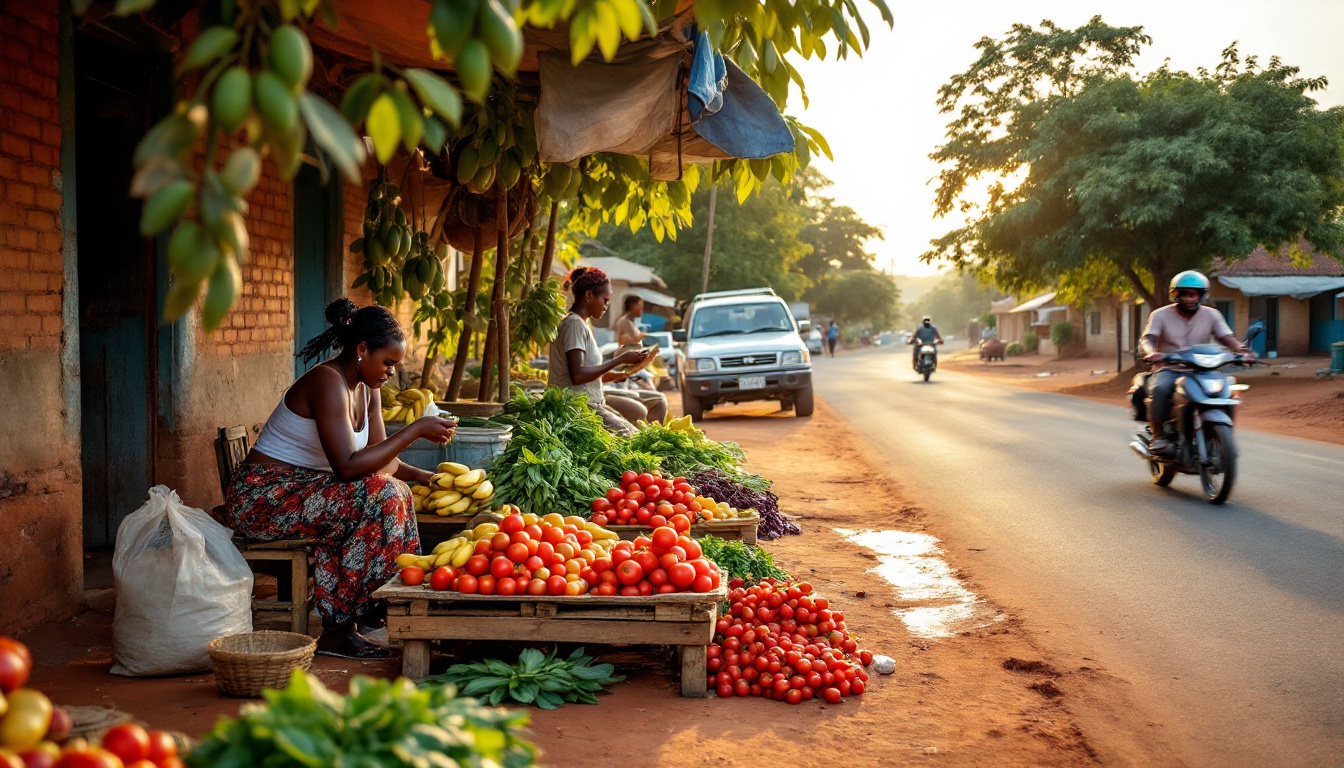
Outsiders can learn some of this, slowly, and the best ones do. But local leaders don't have to learn it. They grew up inside it. They speak the children's languages, literally and otherwise. They know the culture the children come from and will live their adult lives in. When a hard decision has to be made about a child's future, that knowledge is the difference between a good guess and good judgement.
Local leaders stay
We've written before about why the single most important thing a vulnerable child needs is an adult who stays. Hold that thought against the staffing reality of much international charity work: postings rotate, volunteers cycle through, country directors move on every few years. Each departure is small print to an organisation and another goodbye to a child.
Local leadership inverts that. This is not a posting for us. It's our home, our church, our community, our children's school run. The adults our children attach to are the adults who will be there next year and the year after. In child development terms, that continuity isn't a nice-to-have; it's the mechanism by which children come to feel safe at all.
Accountable to neighbours, not just donors
An organisation run from far away is accountable mostly to its funders, people who see reports. An organisation run by local people is also accountable to something harder to fool: its own community. Our neighbours see our children daily. Their kids share classrooms with ours. The market sellers know what we buy; the school knows whether fees arrive; the church knows our family. In a town like Jinja, a children's home that treated children poorly could not hide it for long from the people around it.
That everyday visibility complements the formal side (Uganda's child-welfare authorities, which we described in our guide to child protection in Uganda), and it's a form of scrutiny no annual report can replicate.
Why the money goes further
There's also simple arithmetic. International operations carry international costs: expatriate salaries and housing, flights, head-office overheads in expensive cities. None of that is scandalous; big organisations do things small ones can't. But every layer sits between a donor's gift and a child's dinner.
A locally led home buys food at local prices, negotiates school fees in person, and pays no one to fly anywhere. When we say your gift becomes meals, fees, medicine and rent, the chain from your card to those things is short enough to describe in one sentence, and we do, in what sponsorship actually provides.
The dignity argument
Beneath the practicalities sits something we care about even more. Children absorb the story their care tells them. If everything good in a child's life visibly arrives from somewhere else, carried by outsiders, decided by outsiders, the quiet lesson is that people like them are helped, and people from elsewhere do the helping.
Our children grow up watching Ugandan adults lead: running the home, solving the problems, praying over the meals they worked to provide. The lesson underneath that is different, capable people look like you, and one day you'll be one of them. It's the same conviction behind the wider shift in child welfare toward family- and community-based care, which organisations like Save the Children have championed for years: children do best inside their own culture and community, not parallel to it. (We've written about our version of this in why family-based care matters.)
What international supporters do best
None of this is an argument against international involvement. We depend on it, and gratefully. It's an argument about the division of labour.
What friends overseas do best: fund the work steadily, because a local home can know everything about raising children and still be short of school fees; lend skills (accounting, design, the website you're reading); pray; and tell the story to churches and families we could never reach from Jinja. What doesn't help is the reverse arrangement: outsiders directing daily care they can't see, or short-term visitors becoming temporary parents to children who need permanent ones.
Partnership, in other words: local hands on the children, distant hands holding the ladder. When it works, it's a beautiful thing to be part of, from either end.
What local leadership looks like at Tender Love
Tender Love Orphan Care is led by our family, Pastor Dominic and Rachael Muggaga, and began the way most locally led ministries do: not with a strategy document, but with a crisis on our doorstep. During a community outreach, a woman pressed an abandoned baby into our arms. We were the local people; there was no head office to consult. We went home with a child, and the family that decision built now numbers 50 children in Jinja.
Every decision about those children (meals, schools, medicine, discipline, faith) is made in the house they live in, by adults who share it, in the town all of us call home. Our supporters are scattered across the world; our leadership walks to the market.
How to check who really leads a charity
If you're weighing up any children's organisation in Uganda, including ours, a few questions cut through the marketing:
- Who founded it, and are they still involved? Named local founders with a public story beat anonymous structures.
- Who makes daily decisions about the children, and where do they live? The honest answer should be: locally, permanently.
- Who would the children say is in charge? If the answer changes month to month, so does everything else.
- Does the organisation welcome hard questions? Confident local leaders explain themselves gladly; evasiveness is its own answer.
Pair these with the financial red flags in our guide to giving safely to children's charities in Uganda and you'll be a genuinely hard donor to mislead.
Where to go from here
The children in our care are being raised by people who share their language, their culture, their faith and their future. If that's the kind of work you want behind your giving, you can sponsor a child or explore other ways to stand with us, and if you want to test everything this article just claimed, write to us. You'll get an answer from Jinja, from the people who were here before you found us and will be here long after.
Frequently asked questions
Why does local leadership matter in a children's charity? +
Is Tender Love Orphan Care locally led? +
Do donations go further with a locally led charity? +
What role do international supporters play in locally led care? +
How can I tell who really runs a charity in Uganda? +
Are locally led charities safe to give to? +
Why do children benefit from being raised by local adults? +
Every child deserves to be loved
Your support helps provide food, education, healthcare and a loving Christian family for vulnerable children in Jinja, Uganda. Will you help today?