What Is Child Protection and Why Does It Matter in Uganda?
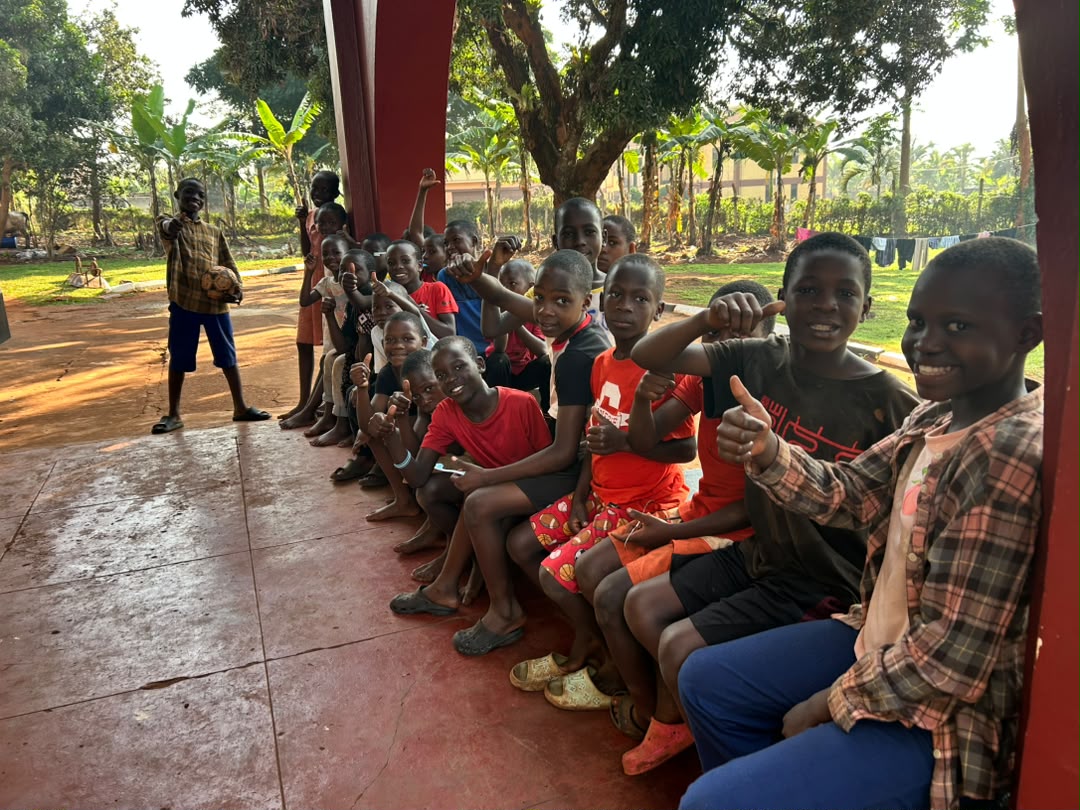
Child protection in Uganda is one of those phrases that sounds like paperwork: policies, committees, forms. But strip the jargon away and it describes something every parent already understands: the everyday work of keeping children safe from harm, and building a life around them where harm is unlikely in the first place.
Because we run a children's home, protection isn't an abstract topic for us. It's the job. So this article explains what child protection actually means, why it matters so much in Uganda, what the law says, and how you can tell whether an organisation asking for your support takes it as seriously as it should.
What child protection actually means
Child protection is the work of preventing and responding to abuse, neglect, exploitation and violence against children. That's the formal definition used by UNICEF and child-welfare agencies around the world, and it covers harm in every setting: home, school, church, online, and yes, children's homes and charities too.
The word preventing is doing most of the work in that sentence. Good protection is mostly invisible, because it's the harm that never happened: the adult who was properly supervised, the routine that left no child alone and unaccounted for, the child who knew who to tell and was believed. By the time protection becomes visible, something has usually already gone wrong.
More than preventing harm
It's tempting to think of protection as a fence, a set of rules that stop bad things. But children aren't kept safe by rules alone. They're kept safe by belonging somewhere, to people who know them well enough to notice when something is off.
A child who is well fed, in school, surrounded by consistent adults and confident they'll be listened to is a hard child to harm. A child who is isolated, hungry, out of school or invisible to the adults around them is an easy one. That's why protection and care aren't separate subjects, the things we've written about elsewhere, like keeping children in school and family-based care, are themselves protective.
Why it matters so much in Uganda
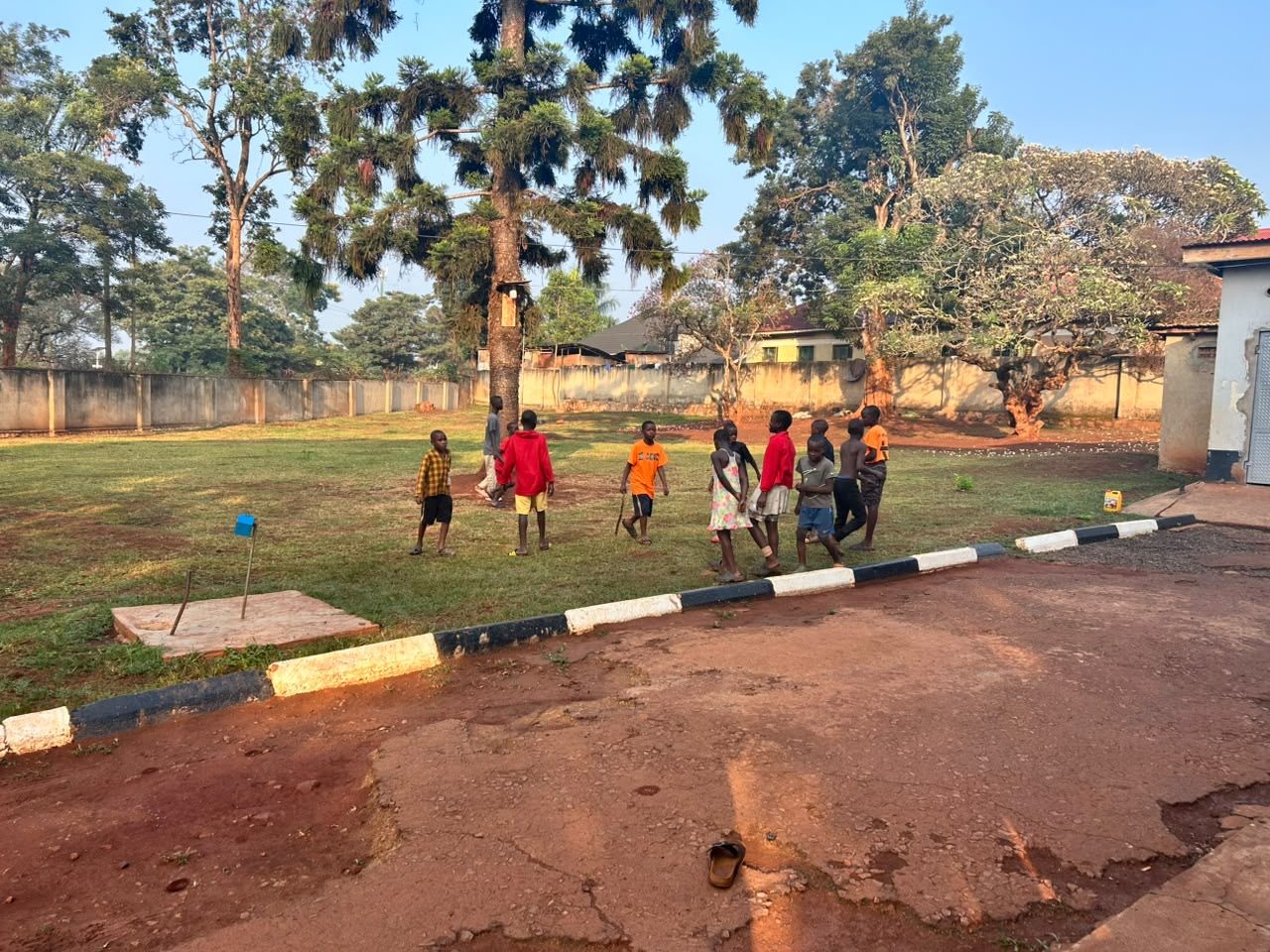
Uganda has one of the youngest populations in the world: roughly half the country is under eighteen. That alone makes children's safety a national-scale question rather than a niche concern.
The pressures are real and mostly economic. Poverty pushes children toward work instead of school, separates families in crisis, and leaves some children, especially those without parental care, exposed to exploitation, early marriage or life on the street. None of this is unique to Uganda, and it would be both wrong and unfair to paint the country as uniquely dangerous for children; the overwhelming majority of Ugandan children are raised in loving homes. But where family safety nets are stretched thin, the children who fall through fall hard, and they are exactly the children we exist for.
There's a second reason protection deserves attention here: well-meaning outsiders. Uganda has learned, sometimes painfully, that foreign money and short-term visitors flowing into children's care without oversight can create as many problems as they solve. It's why the rules around volunteering with children and adoption have tightened, and why we think donors should ask harder questions, not fewer.
What Ugandan law says
Uganda takes children's rights seriously on paper, and increasingly in practice. A few stable landmarks worth knowing:
- Uganda ratified the UN Convention on the Rights of the Child in 1990, among the earlier countries to do so, committing it to children's rights to safety, family, education and protection from exploitation.
- The Children Act is the backbone of Ugandan child-welfare law, setting out children's rights, parental responsibility and the courts' powers to protect children; it was significantly strengthened by amendment in 2016.
- The Ministry of Gender, Labour and Social Development (MGLSD) is the government body responsible for children's welfare, working through probation and social welfare officers at district level, including here in Jinja.
- Uganda runs a national toll-free child helpline, 116: for reporting concerns about a child's safety.
Laws don't raise children, and enforcement in any country is only as strong as the people and budgets behind it. But the framework matters: it means a children's home in Uganda is not a private kingdom. There are authorities responsible for children, and any organisation doing this work honestly should expect, and welcome, their oversight.
What protection looks like day to day
Inside a home like ours, child protection is less about documents and more about habits. The practical shape of it looks like this:
- Consistent adults. The same carers, day after day, who know each child by name and temperament. Strangers rotating through children's lives is a risk, not a treat.
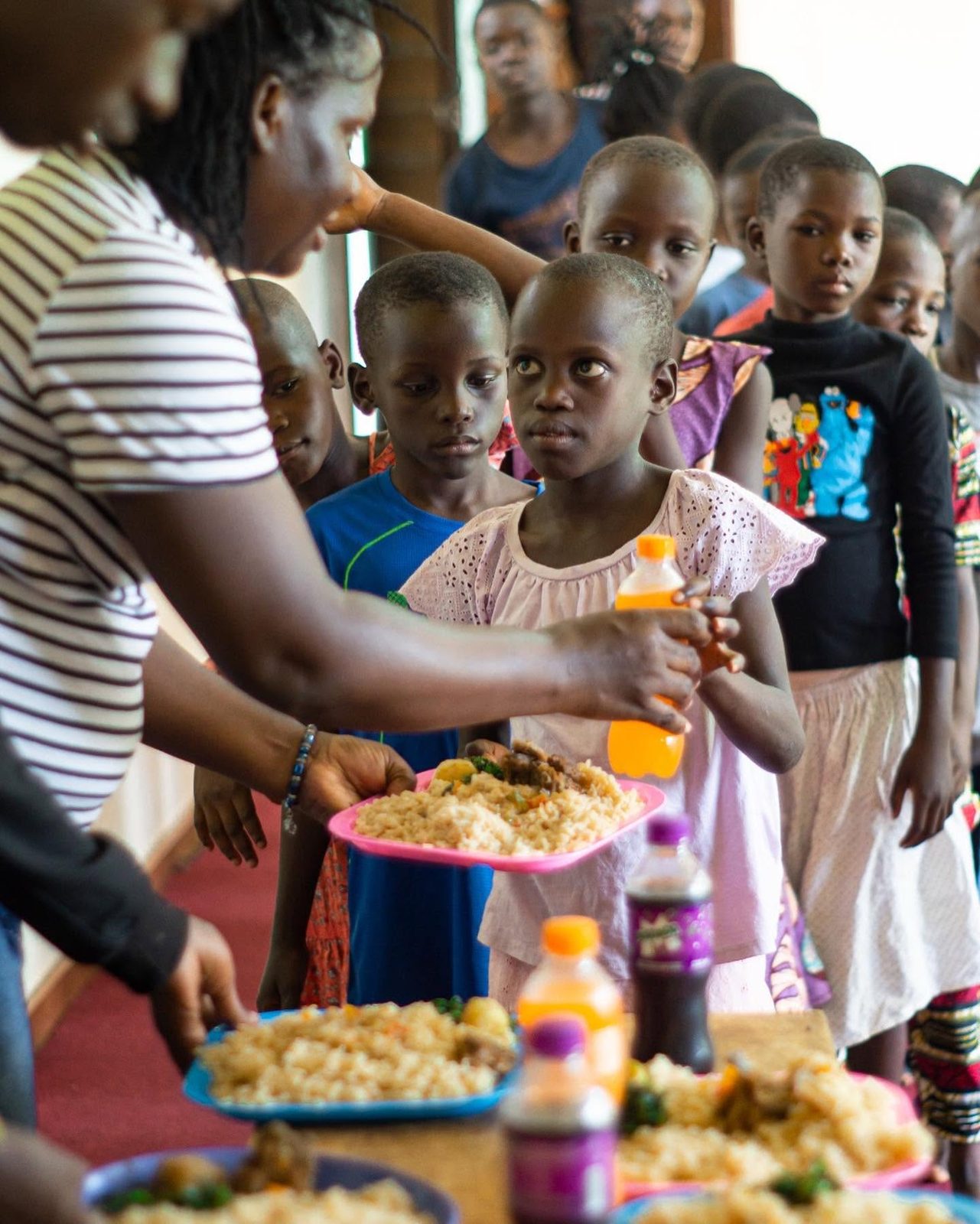
- Routines with no gaps. Meals, school, chores, church, bed, a rhythm where every child is expected somewhere, so an absence is noticed within minutes.
- Children who are listened to. A child who is used to being heard about small things will speak up about big ones. A child who is routinely dismissed won't.
- Basic needs met without conditions. Food, clothing and care are never bargaining chips. A child should never have to earn safety.
- Privacy and dignity. A child's history, health and family circumstances are theirs, not content, not fundraising material, not gossip.
Why children's homes need extra care
We'll say something here that not every children's home will: residential care carries inherent protection risks, and pretending otherwise is itself a warning sign.
Children living away from parental care depend entirely on the adults running the home. History, in Uganda and in Australia, Britain, America and everywhere else, shows what happens when that dependence meets unaccountable institutions. It's precisely why UNICEF and other child-welfare bodies push for family-based care first, for keeping siblings together, and for residential care that is small, family-styled, locally run and open to scrutiny.
We agree with all of it. It's why we run one home, not a chain; why the children live as one family under consistent carers rather than in shifts and dormitory blocks; and why we've written openly about why family comes first even though we are, ourselves, a children's home.
How Tender Love approaches it
We're a family-run Christian home caring for 50 children in Jinja, and protection shapes daily life in the ways described above: consistent carers, full routines, children who are known and heard. But rather than list promises here, let us point to the things you can actually check.
Look at how we talk about our children. Nowhere on this site will you find a child's full name, their exact age, their medical history or the story of what happened to them before they came to us. We use first names only, we don't publish "before and after rescue" narratives, and we don't photograph distress. That isn't marketing restraint. It's the public edge of how we treat the children's dignity everywhere else.
Look at what we don't claim. We won't invent statistics, name-drop accreditations we can't show you, or promise outcomes no one can promise. Where we haven't verified something, we say so.
And ask us anything. Genuinely. How we recruit carers, how visitors are handled, how money is used, what happens when a child is unwell: supporters who ask sharp questions make children safer, and we'd rather earn trust than assume it. Our contact page is the front door, and our story explains who we are and why we do this.
What supporters can do
Child protection isn't only the charity's job: donors shape the incentives. Three things genuinely help:
Give to organisations that welcome scrutiny. Our guide to giving safely to children's charities in Uganda lists the warning signs: guilt imagery, children's private histories used as marketing, vagueness about who's responsible, resistance to questions.
Give steadily rather than dramatically. Stable income is what lets a home keep the same good carers year after year, and consistent carers are the single most protective thing a child in residential care can have. Monthly sponsorship does more for protection than most people realise.
Resist the rescue story. The children in our care aren't waiting to be saved by anyone; they're growing up, loved, schooled and busy. Supporters who understand that difference tend to ask better questions and fund better care.
Where to go from here
If this article has done its job, "child protection" now sounds less like paperwork and more like what it is: children safe enough to be ordinary. That's what we're building in Jinja, one unremarkable day at a time. You can see what those days look like in daily life at Tender Love.
If you'd like to be part of it, you can sponsor a child, explore other ways to help, or simply ask us a question, including the hard ones. Especially the hard ones.
Frequently asked questions
What is child protection? +
Why is child protection important in Uganda? +
What laws protect children in Uganda? +
Are children's homes safe for children? +
How does Tender Love Orphan Care protect the children in its care? +
How can donors support child protection? +
How do I report a concern about a child in Uganda? +
Every child deserves to be loved
Your support helps provide food, education, healthcare and a loving Christian family for vulnerable children in Jinja, Uganda. Will you help today?