Why Family-Based Care Matters for Vulnerable Children in Uganda
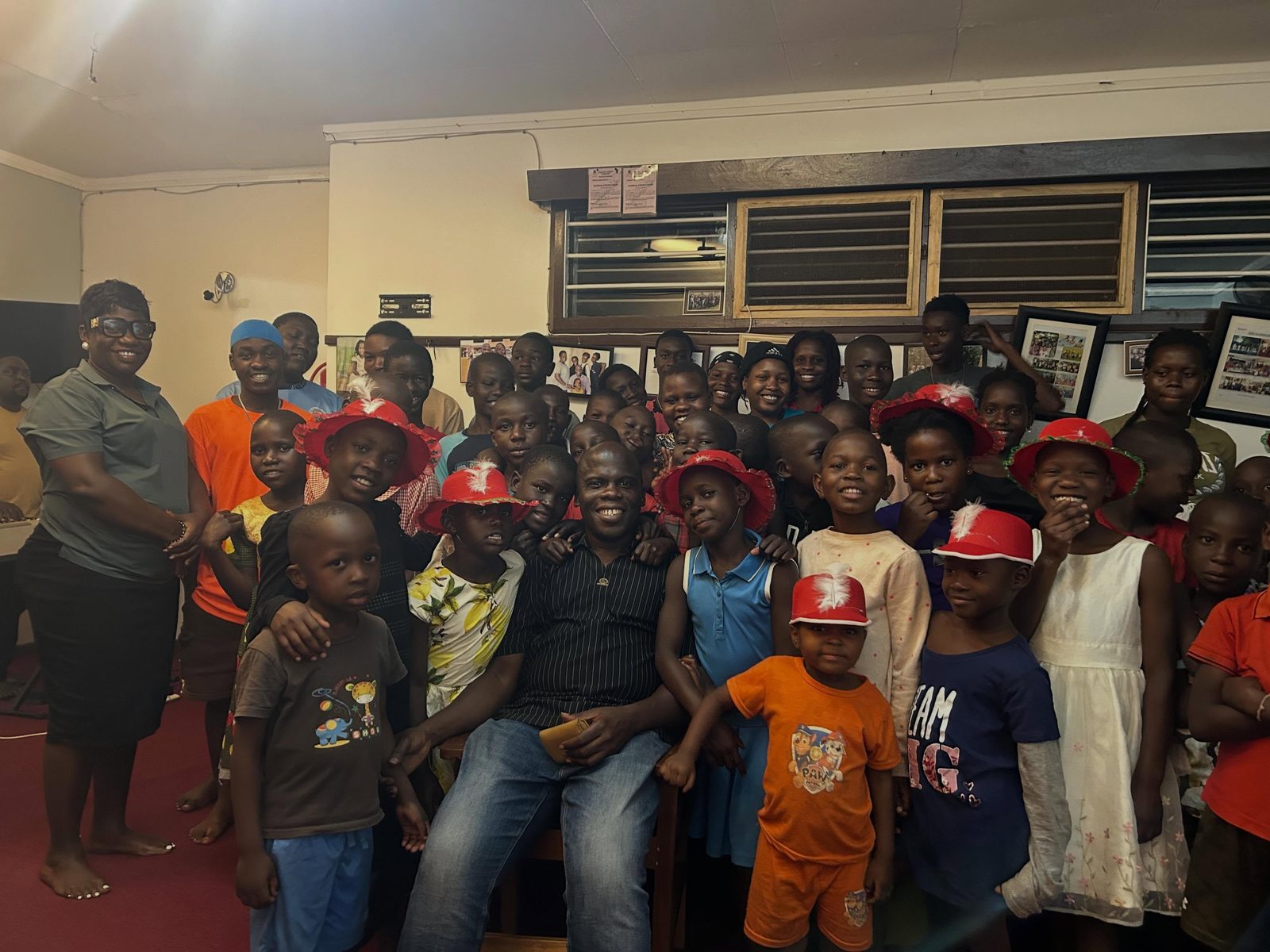
When we picture help for orphaned children, many of us imagine a large institution full of beds. But decades of research point somewhere quieter and far more powerful: family-based care in Uganda, and around the world, is what truly helps vulnerable children thrive. Children don't just need shelter, food and school. They need to belong to a family.
At Tender Love Orphan Care, this conviction shapes everything. We don't run an institution; we raise a family. This article explains what family-based care means, why it matters so much, how Uganda is moving toward it, and how you can help.
What family-based care means
Family-based care simply means raising children within a loving, stable family rather than a large, impersonal institution. It can take several forms: supporting a child's own family so they can stay together, care by relatives (kinship care), foster families, or small family-style homes where a consistent group of carers raise children as their own.
The opposite is large-scale institutional care: big dormitories, high numbers of children per carer, and constantly changing staff. The difference is not really about buildings. It is about whether a child is known, loved and raised, or simply housed and processed.
Put simply, family-based care asks a different question. Instead of "how do we house this child?", it asks "how does this child grow up belonging to someone?" That shift in thinking changes everything about how a home is run, its size, its rhythm, and the depth of the relationships within it.
The truth about "orphans" in Uganda
Here is something many people find surprising. Research by organisations such as UNICEF and Save the Children has repeatedly found that the majority of children living in residential care around the world still have at least one living parent or relative.
Most are separated from family not by death, but by poverty, illness or crisis. That matters enormously, because it means the goal is not always to replace a family, sometimes it is to strengthen or restore one, and always to make sure a child grows up inside the love of a family of some kind.
Why children thrive in families, not institutions
Children are wired for attachment. To grow up healthy, emotionally, socially and even physically, a child needs a small number of consistent, loving adults who know them deeply and are not going anywhere. Large institutions, however well-meaning, struggle to provide this.
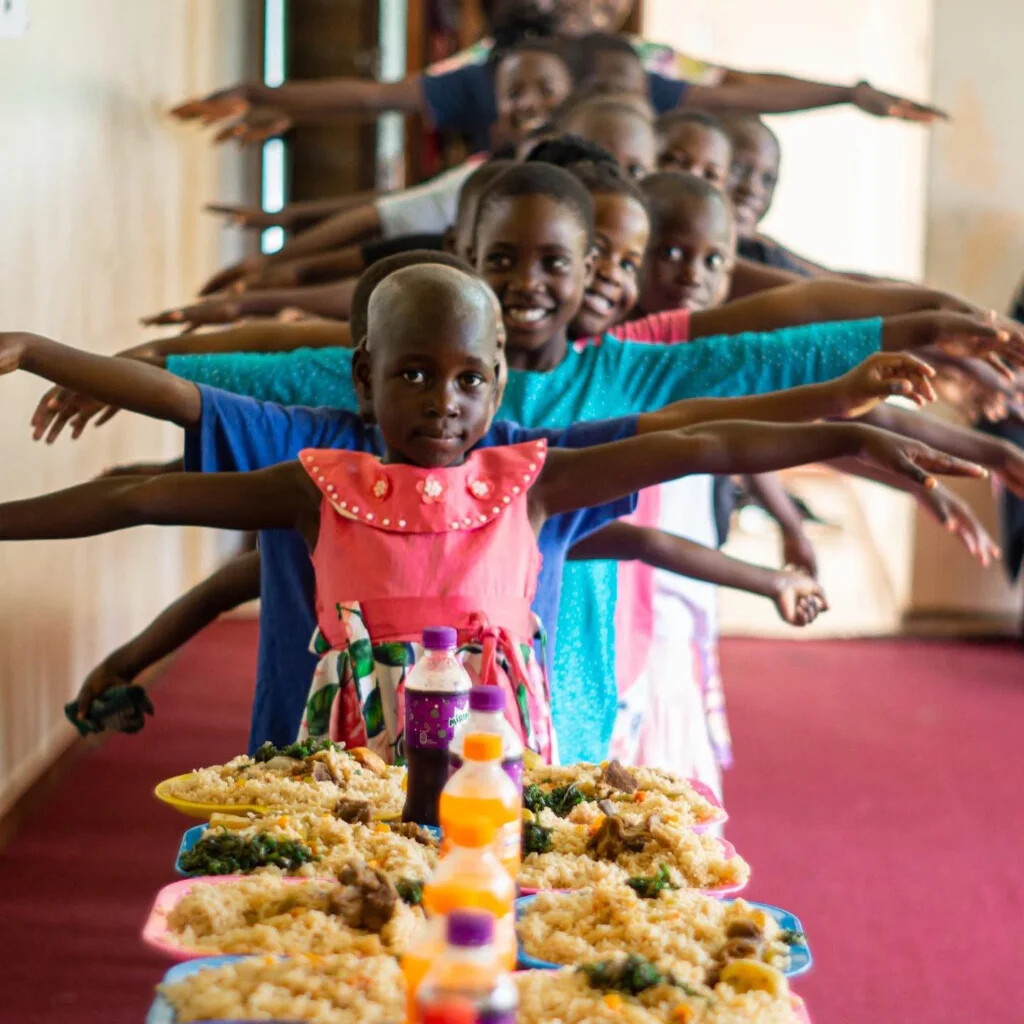
In a family, a child learns they matter to someone. They form secure bonds, develop confidence, and carry that security into adulthood. It is the difference between a child who is merely kept safe and a child who is truly raised.
The hidden cost of large institutions
This is not about blaming anyone. Most institutions are run by people who care deeply. But the model itself makes real relationships hard. When one or two adults are responsible for dozens of children, and staff rotate in shifts, no single child can get the steady, individual attention that healthy development needs.
Child-development researchers have long warned that large residential settings can affect children's emotional security, social development and sense of identity. The lesson is not that caring for vulnerable children is wrong. It is that how we care matters enormously. Smaller, warmer, family-style care consistently serves children better than big institutions, which is exactly why we have built Tender Love the way we have.
Uganda's shift toward family and alternative care
Uganda's own child-welfare direction reflects this global understanding. National alternative care reforms increasingly emphasise keeping families together, supporting relatives to care for children, and treating residential care as a last resort or a bridge, not a default. UNICEF Uganda and partners actively promote family-strengthening so that fewer children are separated unnecessarily in the first place.
For ministries like ours, that means holding two things together: caring wonderfully for the children in front of us today, while honouring the value of family and community wherever it can be preserved or restored.
What about children with no family at all?
Strengthening families is the right first goal, but it is not always possible. Some children have lost both parents, have no relatives able to care for them safely, or come from situations where returning home would put them at risk. For these children, waiting is not an option; they need a loving family now.
This is exactly the gap a good family-style home fills. Rather than a large institution, a child joins a real household with brothers and sisters, consistent carers and a place that is genuinely theirs. It is not second-best care. It is family-based care, provided by a family that chose to open its doors. That is the heart of what Tender Love exists to be.
What good family-based care looks like
Good care is less about scale and more about love, stability and dignity. In practice it looks like a real home rather than a facility: a manageable number of children, the same trusted carers year after year, and daily life that feels like a family's, not a timetable's.
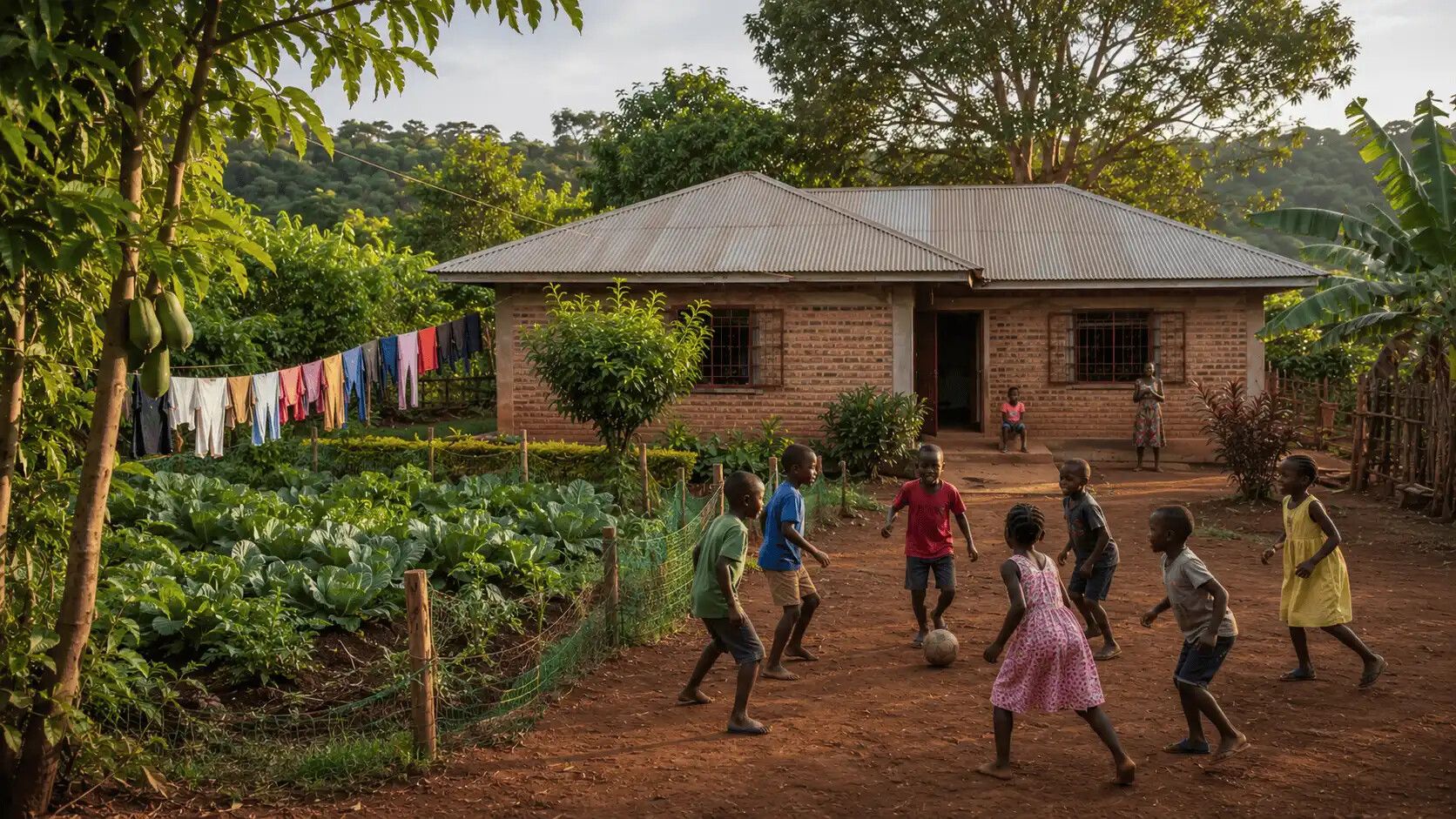
It also means protecting each child's dignity and story: no child treated as a number, no child's hardship used as a spectacle, and every child raised to know their worth. That commitment to safeguarding is central to genuine family-based care.
How Tender Love lives out family-based care
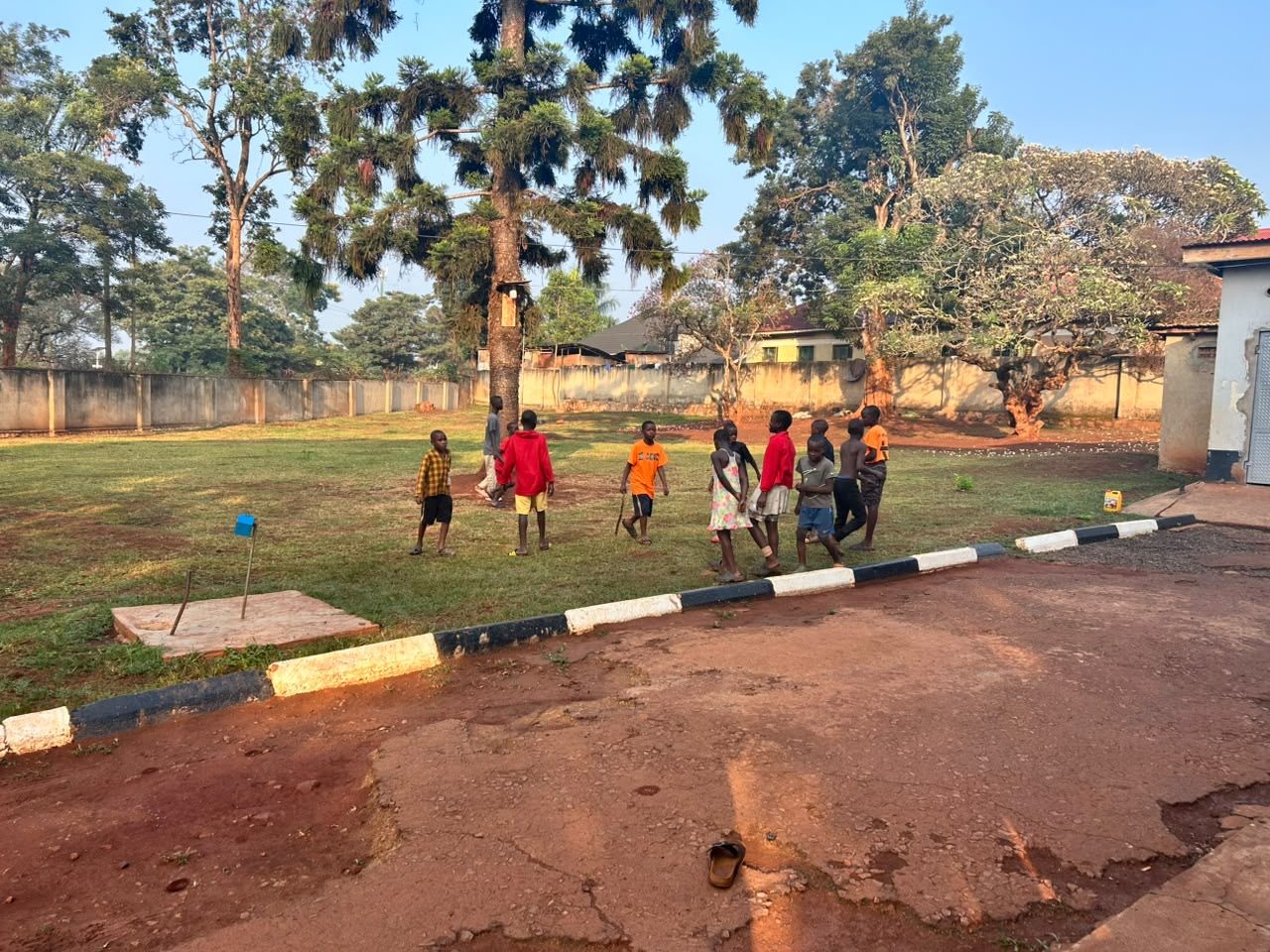
Tender Love is, in every sense we can manage, a family. We care for 50 children in Jinja, raised alongside our own four biological children under the leadership of Pastor Dominic and me, with trusted carers who are a constant, loving presence.
Older children help the younger ones. We eat together, worship together, work in the garden together and celebrate one another's milestones, because that is what families do. You can read how it began on our Our Story page, see what daily life looks like, or meet the children we are raising.
How sponsorship sustains family-based care
Family-based care is deeply loving, but it still needs faithful resourcing. It takes steady provision to keep a family-style home running well: enough carers to give real attention, good food, school fees, healthcare and a safe, welcoming house.
This is where child sponsorship is so valuable. A regular monthly gift gives us the stability to keep our carer-to-child ratios loving rather than overwhelmed, and to plan for each child's future with confidence. Sponsorship doesn't just fund care, it helps keep care family-shaped.
How you can help vulnerable children grow up in families
You can be part of a better way of caring for children, from wherever you are:
- Sponsor a child and help sustain loving, family-style care.
- Give a one-off gift toward food, school or healthcare.
- Learn and share why family-based care matters, so more people support it.
- Pray for children, families and carers across Uganda.
Explore all the ways to help on our Get Involved page, or get in touch. Every child deserves not just a roof, but a family, and with your help, more of them will have exactly that.
Family-based care is, in the end, a simple idea with profound results: raise children in love, within a family, and they flourish. It is the way we have chosen to care for every one of the 50 children at Tender Love, and we would love for you to be part of it.
Frequently asked questions
What is family-based care? +
Why is family-based care better than an institution? +
Are children in Ugandan orphanages really orphans? +
Is Tender Love an institution or family-based care? +
How can I support family-based care in Uganda? +
Every child deserves to be loved
Your support helps provide food, education, healthcare and a loving Christian family for vulnerable children in Jinja, Uganda. Will you help today?