Why We Should Talk About Vulnerable Children With Dignity, Not Pity
There's an image the world has been trained to expect from children's charities: a small child, alone, eyes wet, looking up at the camera. It raises money. It has raised money for decades. And we will never publish a photograph like it, because dignity in orphan care extends to how children are talked about, not just how they're fed.
This article is about that choice. Why pity-based charity marketing works, what it quietly costs the children in it, and what telling the truth with dignity looks like instead. Of the hundreds of decisions we make in caring for 50 children in Jinja, the way we speak about them in public is one we treat as part of the care itself.
The image that raises money
Let's be honest about why pity marketing exists: it converts. A distressed child triggers an immediate, physical urge to help, and fundraisers discovered that long before the internet. The formula (helpless child, imploring eyes, urgent caption) persists because, measured in donations per dollar spent, it works.
But "it works" is the beginning of the ethical question, not the end of it. The money is real; so is what's traded away to get it. Three things, mainly, and the first is carried entirely by the child.
What pity costs the child
A photograph of a child at their lowest moment, published to strangers, is permanent. The child grows up; the image doesn't. Children in care learn to read, and then they read their own fundraising. The day they discover how their worst afternoon was captioned is not a day any adult should engineer.
There's a quieter cost too. Children absorb the story told about them. A child repeatedly presented as a tragedy learns that their value to the adults around them is their sadness, that the correct face to show a visitor with a camera is a sad one. We've seen what the opposite does: children who grow up described as capable, funny and full of promise tend to believe it. The story is part of the raising, which is why we treat it as part of child protection, not marketing strategy.
And beneath both sits consent. A frightened four-year-old cannot meaningfully agree to become the public face of an appeal. Adults who control a child's image are holding something that belongs to the child, to be guarded, not spent.
What pity costs the reader
Pity marketing also does something to the people who see it. It teaches that vulnerable children (usually African children, in this genre) are a category: interchangeable, passive, waiting. It positions the viewer as the hero of a story the child merely appears in. And it flattens whole countries into backdrops for Western generosity, which anyone who has walked through an ordinary, bustling Ugandan town knows is a lie of omission.
We wrote about the leadership version of this in why local leadership matters: children benefit from seeing capable adults who look like them. Readers, it turns out, need the same corrective. The truer picture (children with personalities and futures, adults from their own community leading their care) makes for a better donor, not just a better-informed one. Donors moved by pity give once, to relieve their own discomfort. Donors moved by respect stay for the whole story.
What pity costs the truth
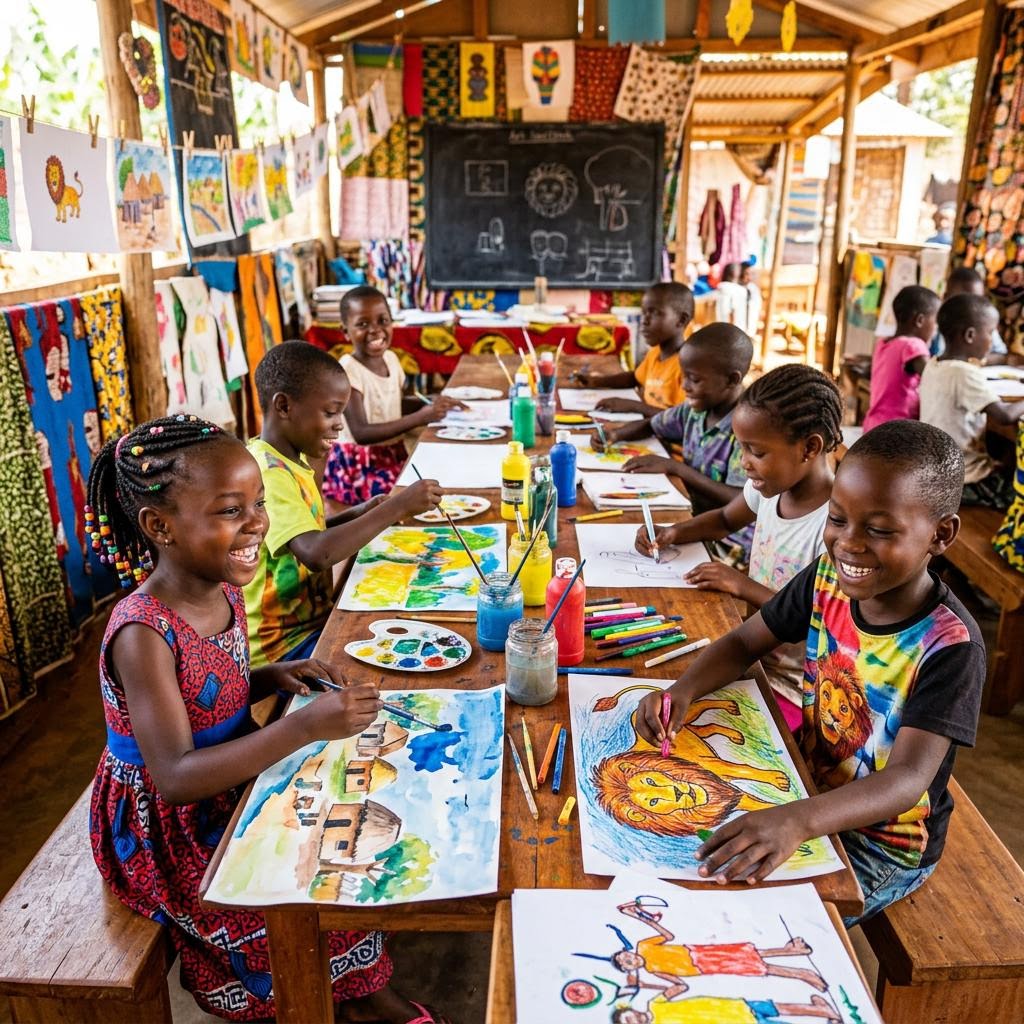
Here's what the crying-child genre never shows: the same child forty minutes later, laughing at something a friend said. Children, including children who have suffered real loss, are not continuously sad. They are children. They play, squabble, show off, get bored in church and negotiate hard over dessert.
Marketing built on a child's worst moment isn't exactly a lie, but it's a truth curated to mislead. And it obscures the thing donors most need to understand: that with food, safety, school, belonging and someone who stays, vulnerable children stop being emergencies and start being kids. That's the whole point of the work. Imagery that freezes children in permanent crisis erases the very outcome it's raising money for.
Dignity is not hiding hardship
Let's guard against the opposite error, because dignity-washing is real too. The children in our care have known genuine loss; vulnerable children in Uganda face genuine pressures: poverty, interrupted schooling, exploitation. Pretending otherwise would be its own kind of dishonesty, and it would make the work look optional.
The line we hold is this: describe the hardship, never perform the child's suffering. We can tell you school fees are the difference between a classroom and a workplace for a ten-year-old, without publishing that ten-year-old's tears. We can tell you an abandoned baby started our whole ministry, without a rescue narrative that follows one named child's trauma for donations. The facts carry the urgency. The child keeps their privacy.
What dignity looks like in practice
These are the rules this website actually runs on, published so you can hold us to them:
- First names only, ever. No surnames, no exact ages of vulnerable children, nothing that makes a child findable.
- No trauma biographies. A child's history (what happened before they came to us, their health, their family circumstances) is theirs. We don't publish "before and after rescue" stories.
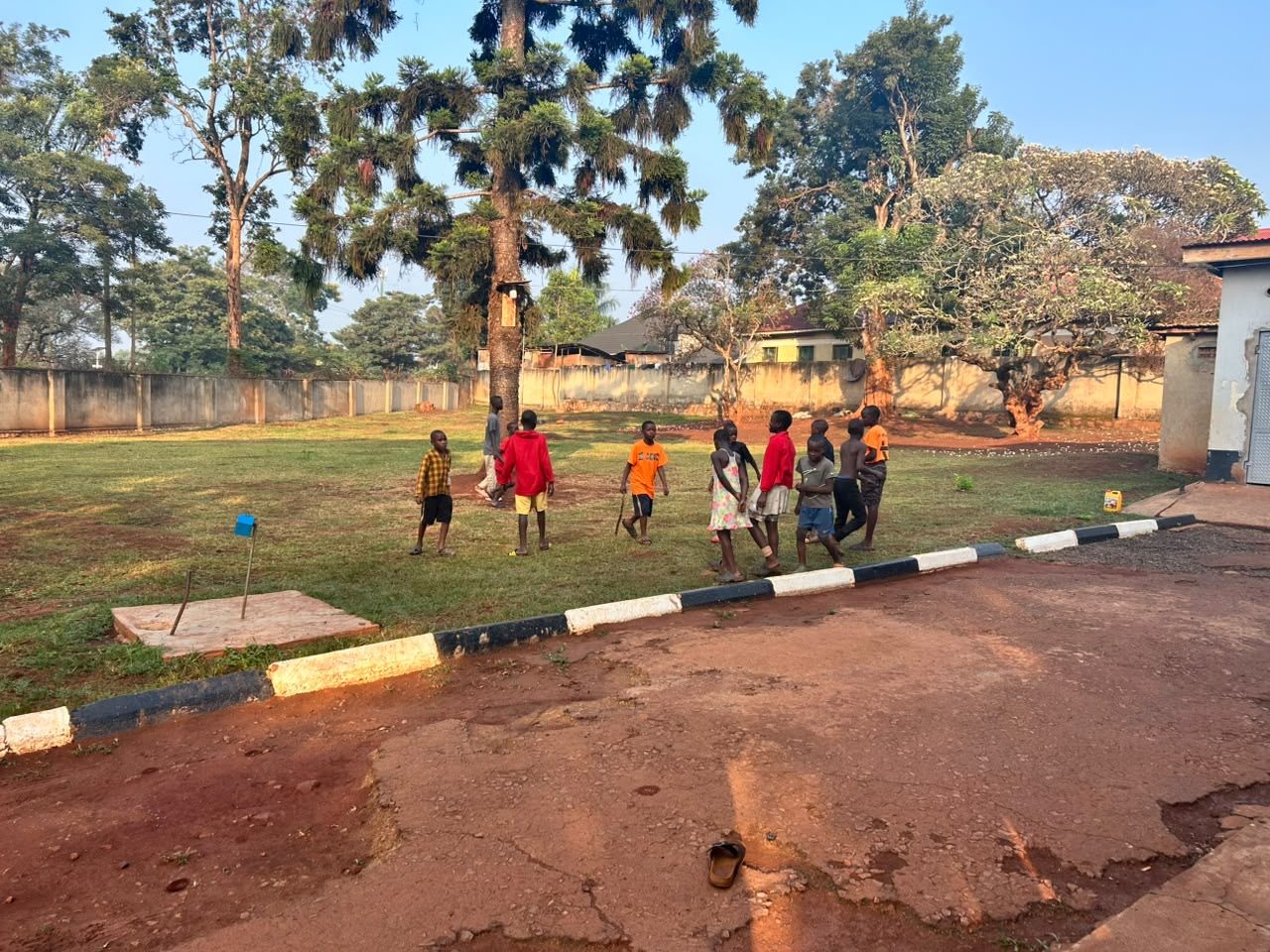
- No distress imagery. We photograph children playing, learning, worshipping and grinning at cameras, because that's what their days actually look like. A reluctant child is never photographed, whatever the permission slip says.
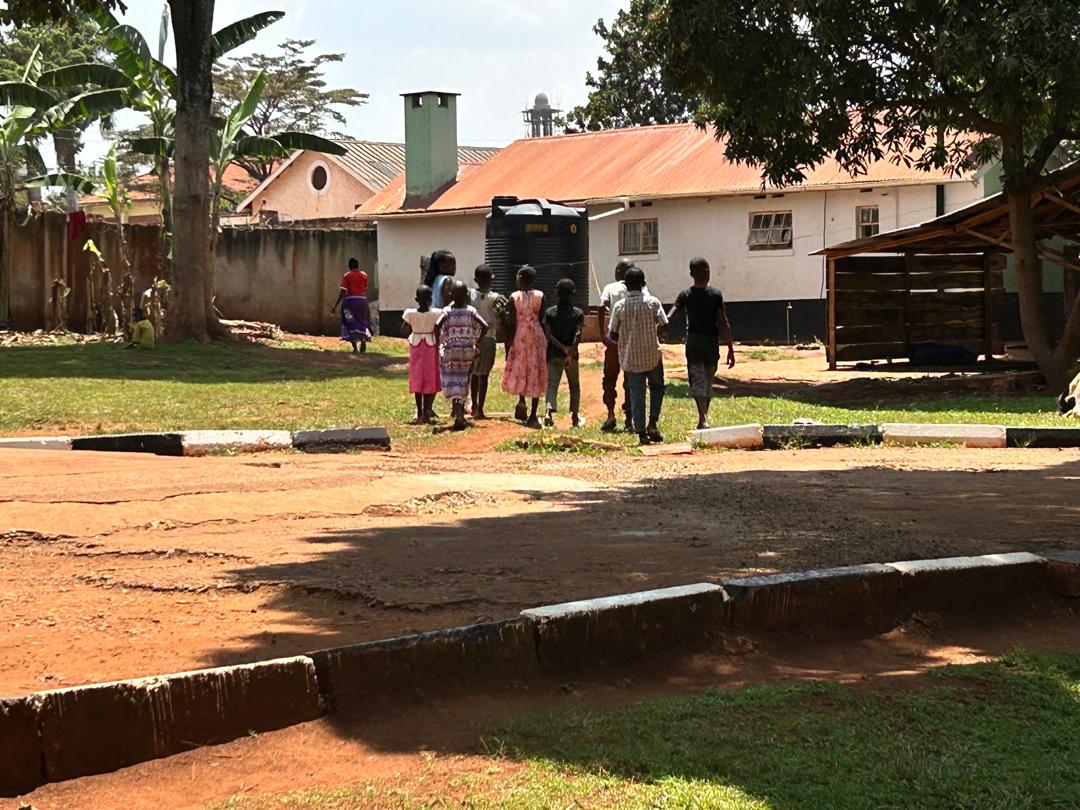
- Consent, and the benefit of the doubt. Where we're unsure an image is cleared for publication, it isn't published. Some of our favourite photos show the children from behind for exactly this reason.
- Precise language. Not every child in care is an orphan, so we say vulnerable children and children without parental care when that's what we mean. Accuracy is a form of respect.
A sector slowly changing
We're not alone in this, and it's worth saying so. Networks of aid organisations, like Dóchas in Ireland and Bond in the UK, have adopted codes on images and messages that commit members to portraying people with dignity and their full humanity. UNICEF's guidance on depicting children runs the same direction: the child's best interests outrank the campaign's.
The old formula still appears every giving season, because it still converts. But donors are noticing, and asking better questions, and every donor who declines to reward pity marketing moves the sector an inch. Which brings us to you.
What you can do as a reader
Notice the frame. When a charity shows you a child, ask what the image is doing: informing you, or working you? Would the organisation publish that photo if the child's mother were looking over their shoulder?
Let storytelling inform your giving. How an organisation treats children in its marketing predicts how it treats them everywhere else. It's one of the checks in our guide to giving safely to children's charities in Uganda. Dignified storytelling plus accountable local leadership is a strong signal you've found care worth funding.
And expect enough information to give wisely. Dignity doesn't mean vague. You're owed clarity about what the work is and what your money does, just not a child's tears as proof.
Where to go from here
If you want to see what dignified storytelling looks like when it's the house style, you're already here. Meet the children (first names, big grins), read what an ordinary day looks like, or ask us anything about how and why we tell these stories the way we do.
And if you decide to sponsor a child, know this: you'll be joining a story about children becoming adults worth meeting, told to you the same way we'd tell it if they were standing next to us. Because one day, reading this website, they will be.
Frequently asked questions
What is pity marketing in charity fundraising? +
Why is pity marketing harmful to children? +
Does dignified storytelling mean hiding children's hardship? +
How does Tender Love Orphan Care talk about its children? +
Are there industry standards for how charities portray children? +
How can I tell if a charity respects the children it serves? +
Does dignified marketing raise less money than pity marketing? +
Every child deserves to be loved
Your support helps provide food, education, healthcare and a loving Christian family for vulnerable children in Jinja, Uganda. Will you help today?