Education for Orphaned and Vulnerable Children in Uganda
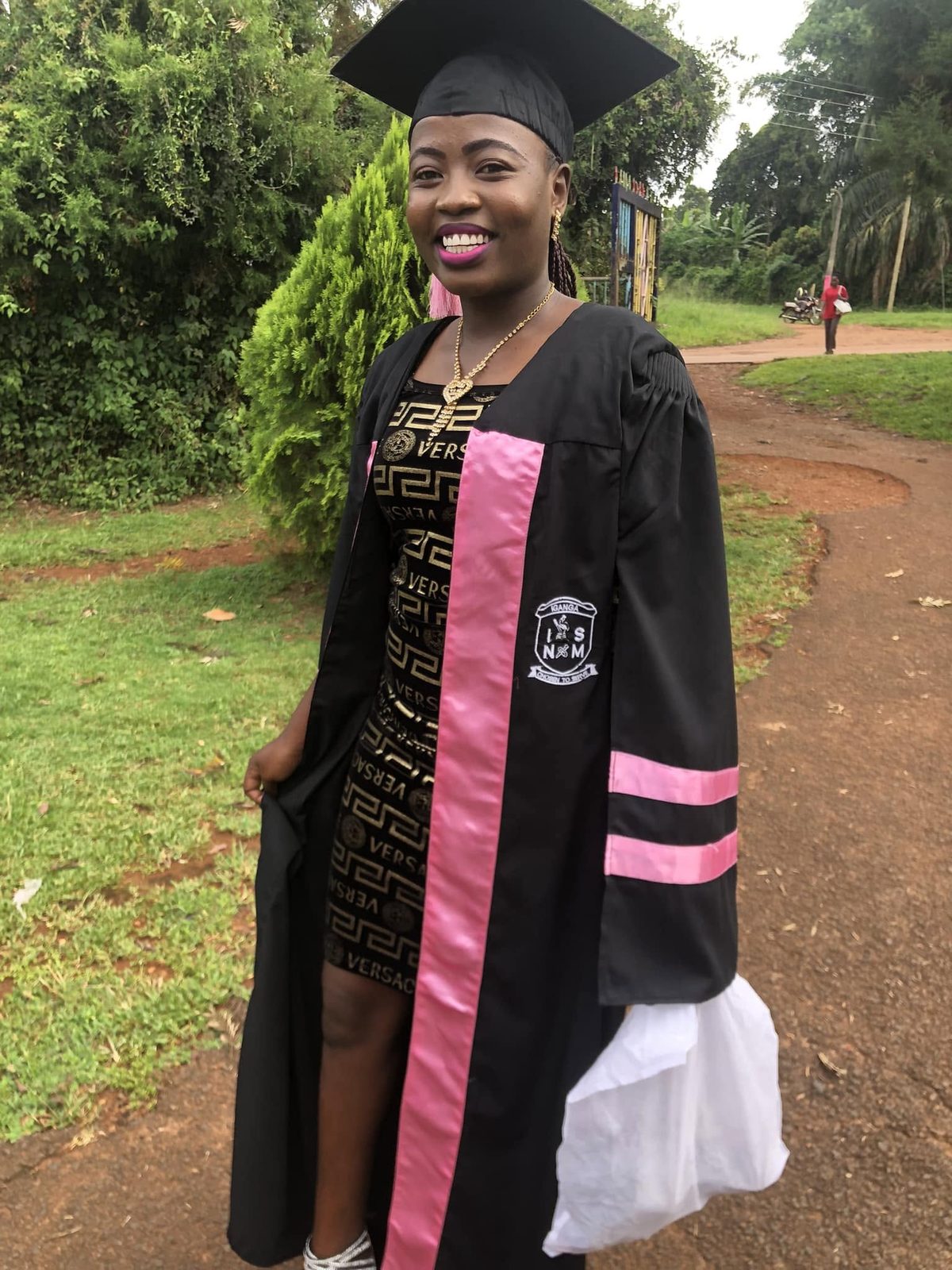
Education for orphaned children in Uganda is one of the surest ways to turn a hard beginning into a hopeful future. For a child who has lost parents or a safe home, a school uniform, a full set of books and a place in the classroom are far more than supplies. They are a door out of poverty and into possibility.
At Tender Love Orphan Care, we treat schooling as a priority, not a luxury. This guide looks at why education matters so much for vulnerable children, the barriers that keep them out of school, what a child actually needs to learn, and how you can help open that door.
Why education for orphaned children in Uganda matters most
Every child deserves the chance to learn, but for orphaned and vulnerable children the stakes are especially high. Education gives a child far more than literacy and numeracy. It offers routine, safety, friendship, self-belief and a vision of who they might become.
The UNICEF view is clear: schooling is one of the most protective, life-changing investments in a child's future. For a child who has known loss, the classroom can be the place where they first hear the message every child needs: that they are capable, valued and going somewhere.
School also brings something quieter but just as vital: stability. A child who attends school each day has structure, friendships and trusted adults beyond the home. For children who have experienced upheaval, that daily rhythm is deeply steadying, a reliable, hopeful shape to the week that tells them the future is worth preparing for.
The barriers that keep children out of school
In Uganda, primary education is officially free, yet real costs still shut many children out. For a family in crisis, or a child with no family at all, even small expenses become impossible. The most common barriers include:
- School fees and levies: especially for secondary and vocational study.
- Uniforms and shoes: often required before a child may attend.
- Books, pens and materials that families must provide themselves.
- Hunger: a child cannot learn on an empty stomach.
- Instability: without a safe, settled home, school attendance slips.
Remove these barriers and a bright, motivated child can flourish. That removal is exactly what sponsorship and giving make possible.
What a child actually needs to go to school
It helps to picture the practical checklist behind a single child's education. To walk into class with confidence, a child needs fees paid, a uniform that fits, sturdy shoes, books and stationery, and a full stomach to concentrate. None of it is glamorous, all of it is decisive.
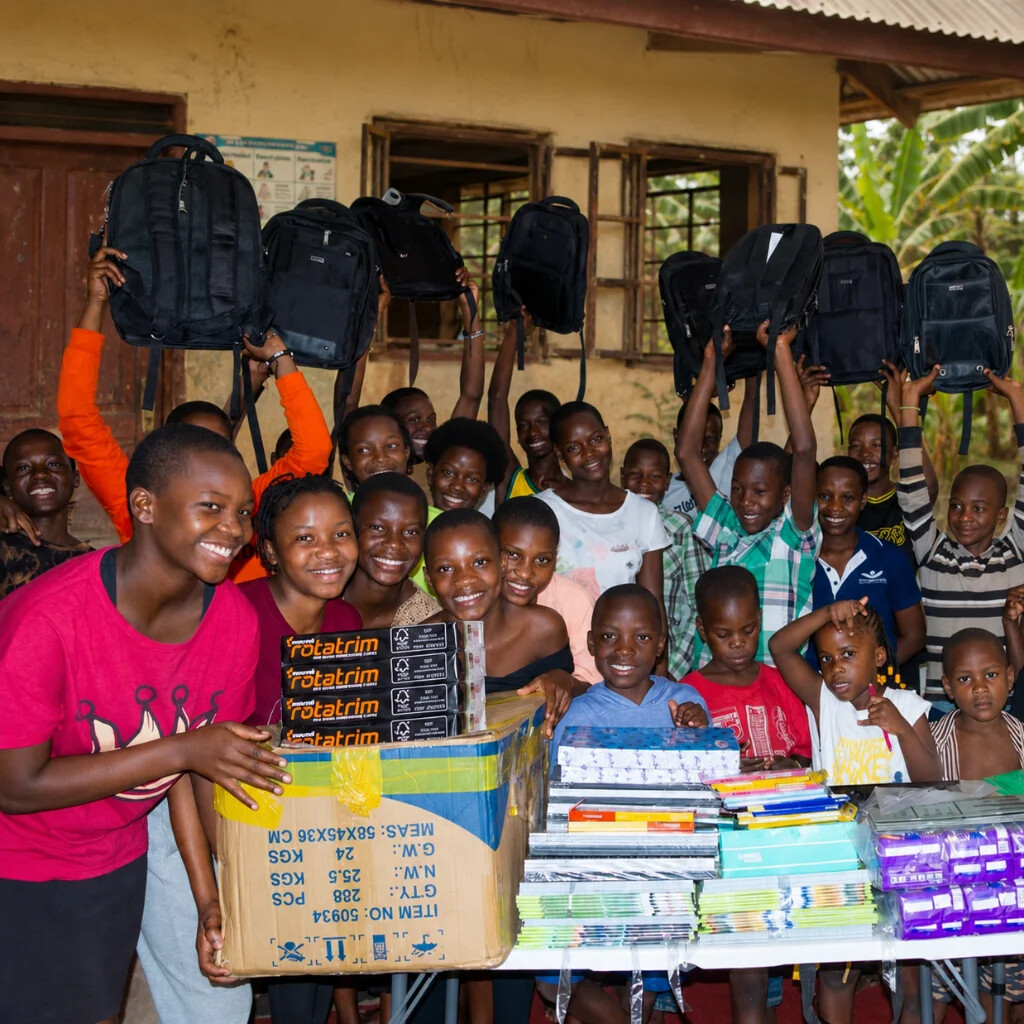
When those needs are met reliably, term after term, a child stops worrying about whether they can stay in school and starts dreaming about where school can take them.
What sponsoring a child's education covers
People often ask exactly where their support goes. For education, it is wonderfully concrete. A regular gift toward a child's schooling typically helps provide:
- School fees and exam costs: the fees that keep a place open, term after term.
- A uniform and shoes: so a child can attend with dignity and confidence.
- Books, pens and materials: the everyday tools of learning.
- Meals and good health: a fed, well child who can concentrate and thrive.
- Encouragement and mentoring: carers who help with homework and believe in them.
The beauty of sponsorship is its steadiness. Education is not a one-off cost but a years-long journey, and a monthly gift lets a child walk that whole journey without the fear that this term might be their last. It also lets us plan ahead with confidence for every child in our care.
More than a classroom: holistic learning
Real education is broader than lessons and exams. At Tender Love we want our children to grow in character and confidence as well as knowledge. Art and music unlock creativity and a way to process big feelings. Chores and gardening teach responsibility and life skills. Faith and mentoring shape values and resilience.
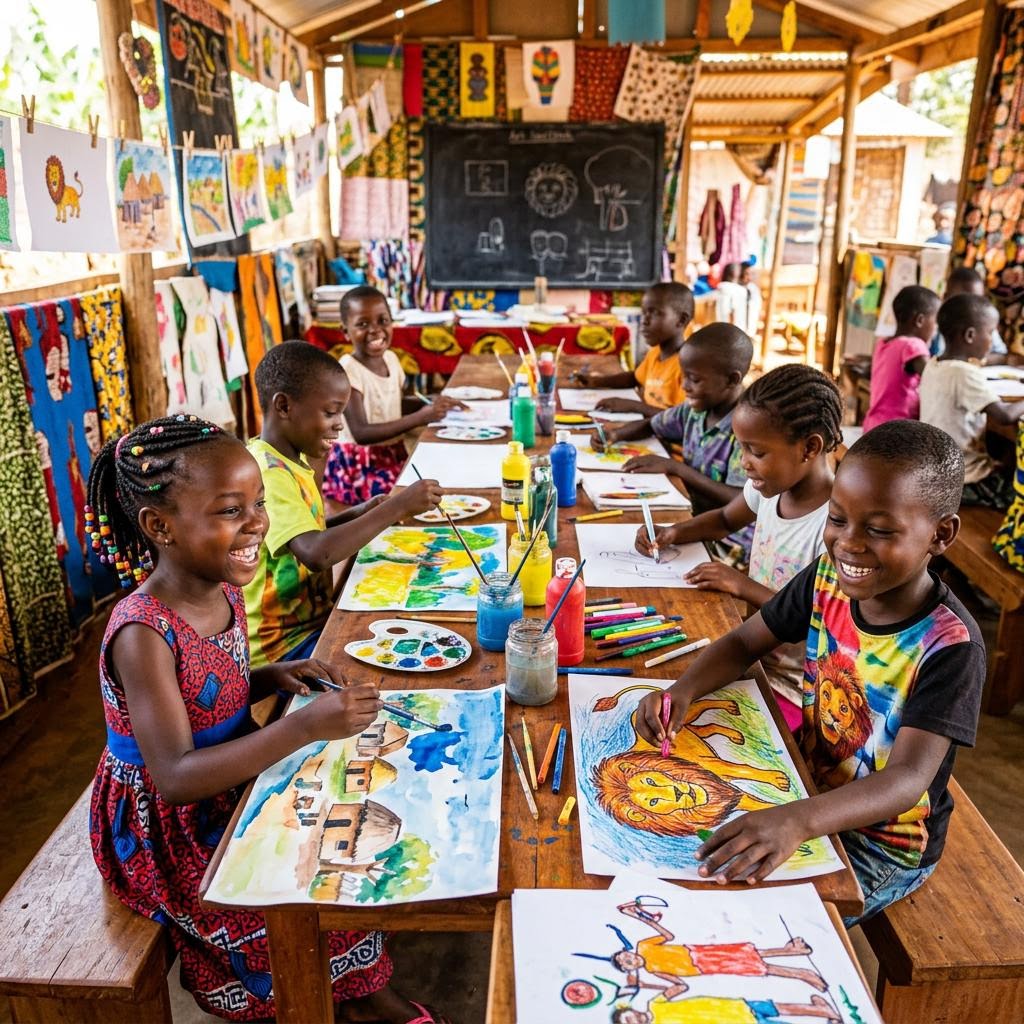
We want to raise not just good students, but whole, capable young people, ready for work, relationships and life. You can see more of that rhythm in what daily life looks like at our home.
How education breaks the cycle of poverty
Education is how a single generation can change a family's whole future. A child who finishes school is far more likely to find stable work, provide for their own children one day, and lift those around them. Organisations like World Vision Uganda and Save the Children consistently point to education as one of the most effective, lasting ways to break the cycle of poverty.
That is why we treat a child's schooling as an investment, not an expense. Every term paid is a step toward a future that lifts not just one child, but a whole community. An educated young person becomes a parent who values school, a worker who earns and gives, a neighbour who helps others rise. The ripple of one child's education spreads far beyond the classroom, and keeps spreading for generations.
How Tender Love supports our children's learning
We currently care for 50 children in Jinja, and each one is supported to attend school and keep learning. That means covering fees, uniforms, books and supplies, making sure every child is well fed and rested, and surrounding them with carers who cheer on their progress, help with homework, and believe in them.
Because we are raised as a family rather than an institution, education here is personal. We know each child's strengths, the subjects they love, and the dreams they are reaching for, and we walk with them all the way. Older children mentor younger ones with their reading and homework, and every small milestone (a first written name, a passed exam, a place at secondary school) is celebrated as a family. You can meet the children whose futures your support helps shape.
Where a good education leads
The best answer to "does it work?" is the joy on a graduation day. Watching a child who arrived with nothing walk out with a certificate, a skill and a future is one of the greatest privileges of this work.
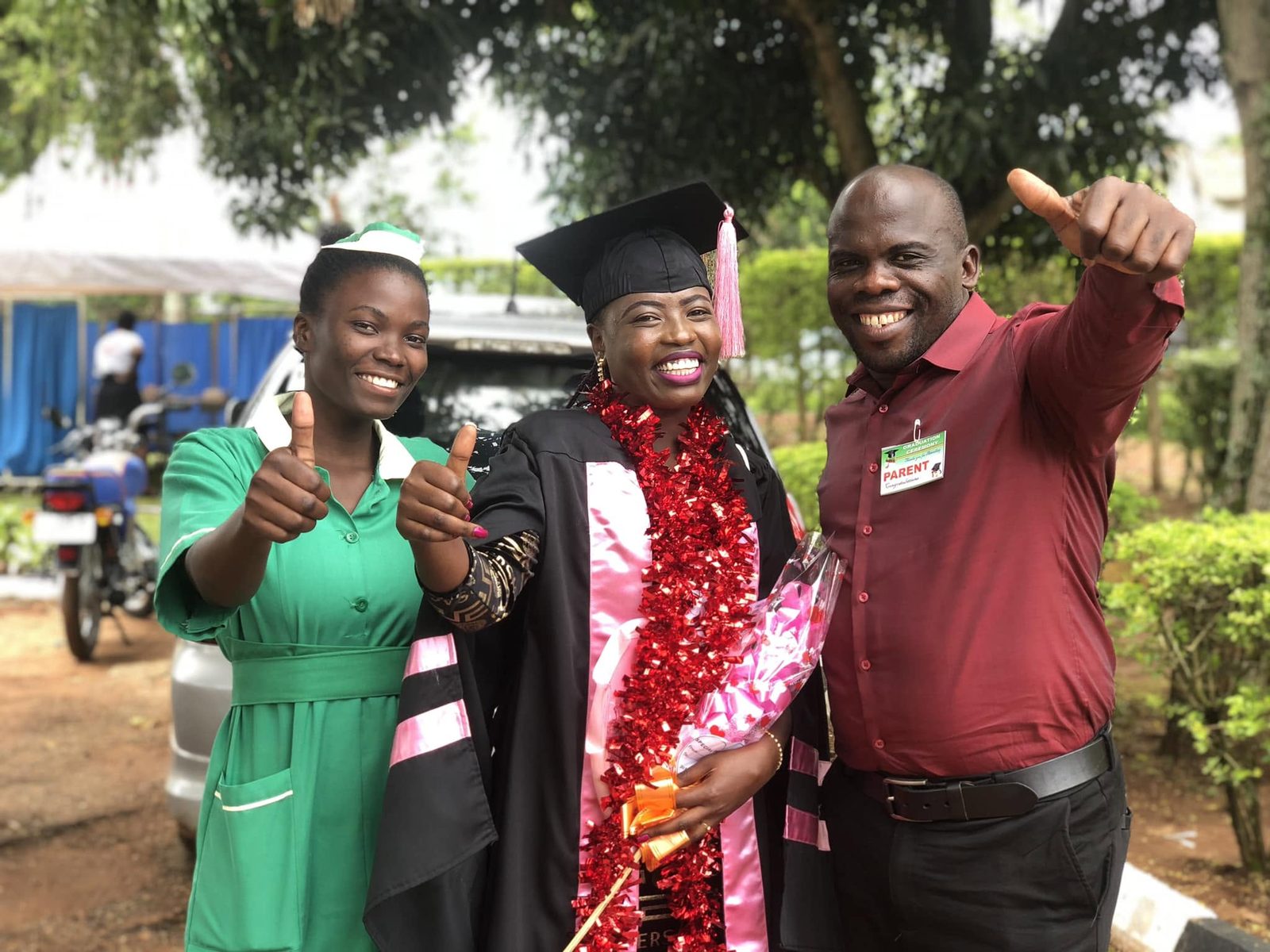
These are the moments that make everything worthwhile: teachers, nurses, tradespeople and leaders in the making, each one carrying hope back into their community.
How you can help fund a child's education
Funding a child's education is one of the most powerful gifts you can give, and you can do it from anywhere. A few practical ways to help:
- Sponsor a child: a monthly gift that helps keep a child in school year-round.
- Give a one-off gift toward a term of fees, a uniform or a set of books.
- Fundraise with your church, school or workplace for education costs.
- Pray and share: help more people discover and support the children.
You can sponsor a child today, explore more ways to help, or read our guide on how to help orphans in Uganda without travelling. Whatever you give, you are helping open a classroom door, and a whole future, for a child who deserves it.
Frequently asked questions
Why is education so important for orphaned children in Uganda? +
Isn't school free in Uganda? +
What does a child need to attend school? +
How does Tender Love support the children's education? +
How can I help fund a child's education in Uganda? +
Does educating one child really make a difference? +
Every child deserves to be loved
Your support helps provide food, education, healthcare and a loving Christian family for vulnerable children in Jinja, Uganda. Will you help today?