Can You Adopt a Child from Uganda? Adoption, Sponsorship and Family Care Explained
"Can I adopt a child from Uganda?" is one of the most common questions we receive, and it almost always comes from a warm and generous heart. It deserves an honest answer rather than a vague one.
The short version: intercountry adoption from Uganda is possible, but it is a legal process governed by Uganda's courts and authorities, not something a children's home can arrange. This guide explains how adoption differs from sponsorship and family-based care, why the rules are strict, where to get authoritative information, and what you can do today if your heart is to help a vulnerable child.
Please note: this article is general information, not legal advice. Adoption law changes, and requirements differ depending on where you live. Always confirm the current position with the official authorities listed below.
The short answer
Yes, adoption from Uganda happens, but it is a formal legal process decided by Ugandan courts, working alongside the adoption authorities in your own country. It typically takes a long time, involves significant assessment of prospective parents, and is deliberately demanding, because the whole point is to protect children.
It is not something arranged privately with a children's home, and any organisation that suggests otherwise should be treated with real caution. We'll come back to that.
Adoption is a legal process, not a charitable one
This is the single most important thing to understand. Adoption permanently transfers legal parenthood of a child. That decision belongs to courts and government authorities, never to a charity, a church, an orphanage, or the people caring for a child day to day.
A children's home like ours has no power to place a child with a family, and shouldn't have. The safeguards exist precisely so that no child's future depends on the judgement, or the goodwill, of a single organisation.
Why family preservation comes first
There's a second thing worth understanding, and it surprises many people. Most children living in residential care worldwide are not legally available for adoption at all, because they still have a living parent or relative somewhere.
Research from UNICEF and Save the Children has consistently found that poverty, illness and crisis, rather than the absence of family, are what separate most children from their parents. Where a family can be supported or restored, that is what child-welfare systems rightly try first. Adoption is intended as a last resort for children who genuinely cannot be raised within their own family or community.
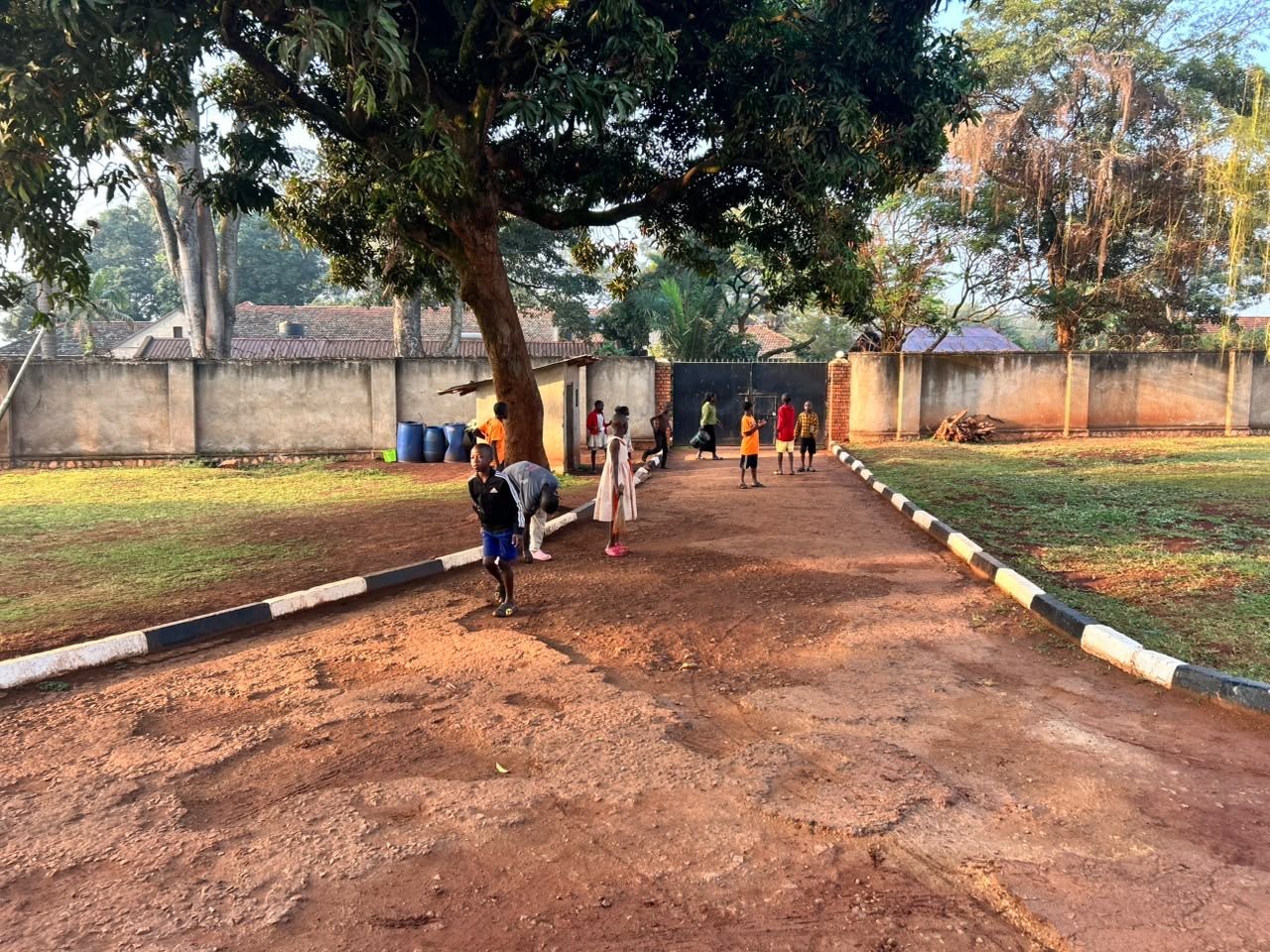
We've written more about this thinking in our post on why family-based care matters for vulnerable children in Uganda.
Why the rules around Ugandan adoption are strict
Uganda has tightened its intercountry adoption rules considerably over the years, and it has done so for good reasons. Where adoption processes are loose, children can be exploited, and several countries around the world have had to reform their systems after serious abuses.
It's also worth knowing that, according to the U.S. State Department's country information, Uganda has not been a party to the Hague Convention on Intercountry Adoption, which shapes how such adoptions are handled and what protections apply. Because this and other requirements can change, please verify the current position through official sources rather than relying on this article, or on anything you read on a forum.
We're deliberately not listing specific requirements, timeframes or procedures here. They change, they vary by your country of residence, and getting them wrong could cost you dearly. The authorities below will give you accurate, current answers.
Where to get reliable information
If you are seriously considering adoption, start with official channels:
- Uganda's Ministry of Gender, Labour and Social Development: the government body responsible for children's welfare and alternative care.
- Your own country's central adoption authority: for example, the relevant government department or intercountry adoption service where you live.
- An accredited adoption agency in your country, recognised by your government.
- A qualified lawyer experienced in Ugandan family law.
Anyone genuinely qualified will encourage you toward these channels rather than around them.
If someone tells you it's quick, cheap or easy
Please treat that as a serious warning sign. Legitimate adoption is slow and thorough because children's lives are at stake. Where it is made to sound simple, something is usually wrong.
Be especially cautious of anyone who offers to "find you a child," requests large informal payments, discourages you from involving your own country's authorities, or presents a specific child to you before any legal process has begun. These are the conditions in which child trafficking has flourished elsewhere, and the safeguards exist to prevent exactly that.
Tender Love and adoption
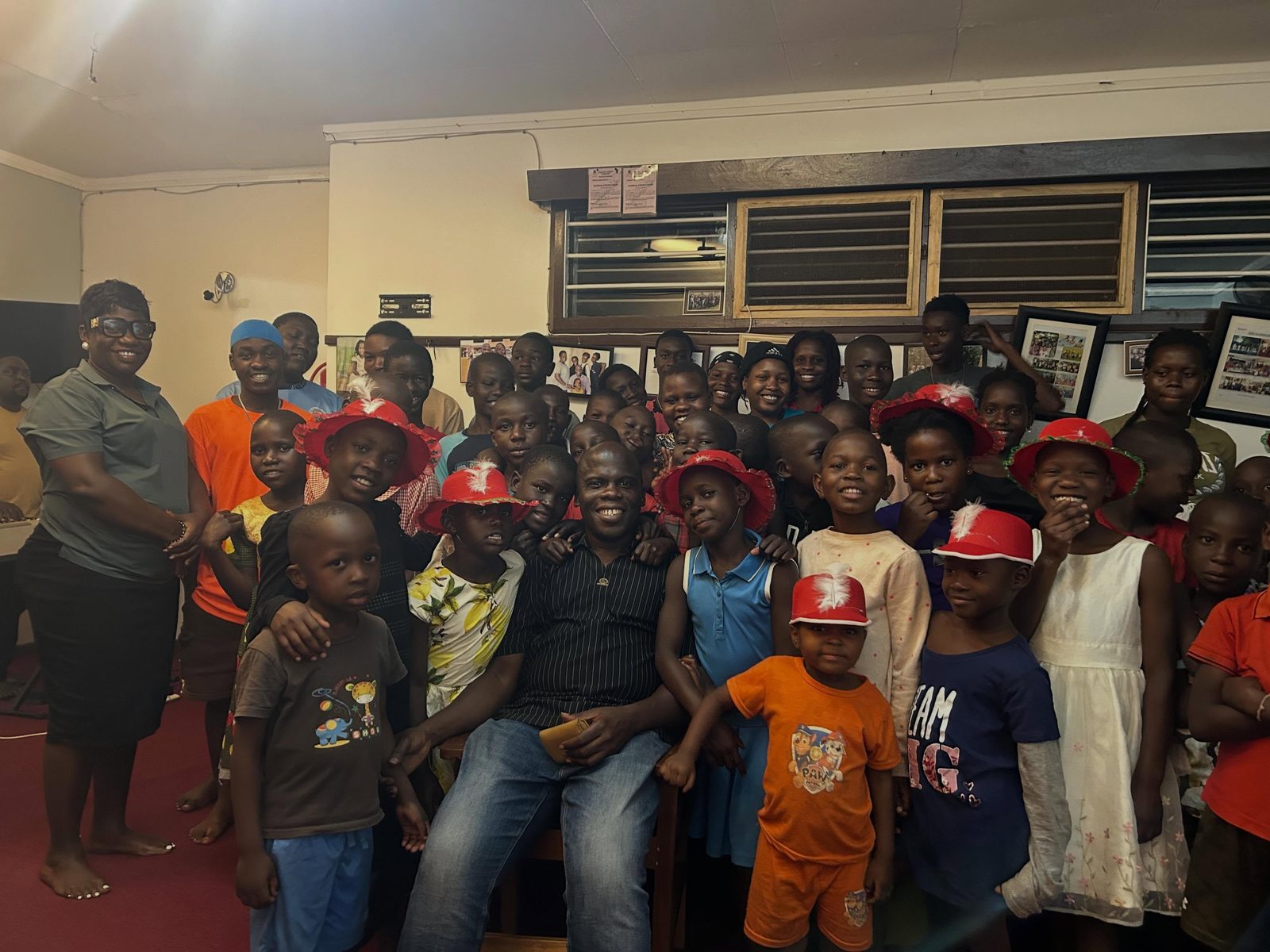
To be completely clear about who we are: Tender Love Orphan Care is a children's home, not an adoption agency. We provide family-based care for 50 children in Jinja: food, schooling, healthcare, faith and a permanent place to belong. We do not facilitate adoptions and we do not place children with families.
We say that plainly not to disappoint anyone, but out of respect for our children and for the law that protects them. Any adoption question properly belongs with Uganda's courts and authorities, and with the adoption authority in your own country.
Our calling is different, and we love it: to raise these children well, in their own country and culture, surrounded by people who know them by name.
Other ways to change a child's life
Here's the encouraging part. If what you really want is for a vulnerable child to be fed, schooled, safe and loved, you can do that today, and it is genuinely life-changing.
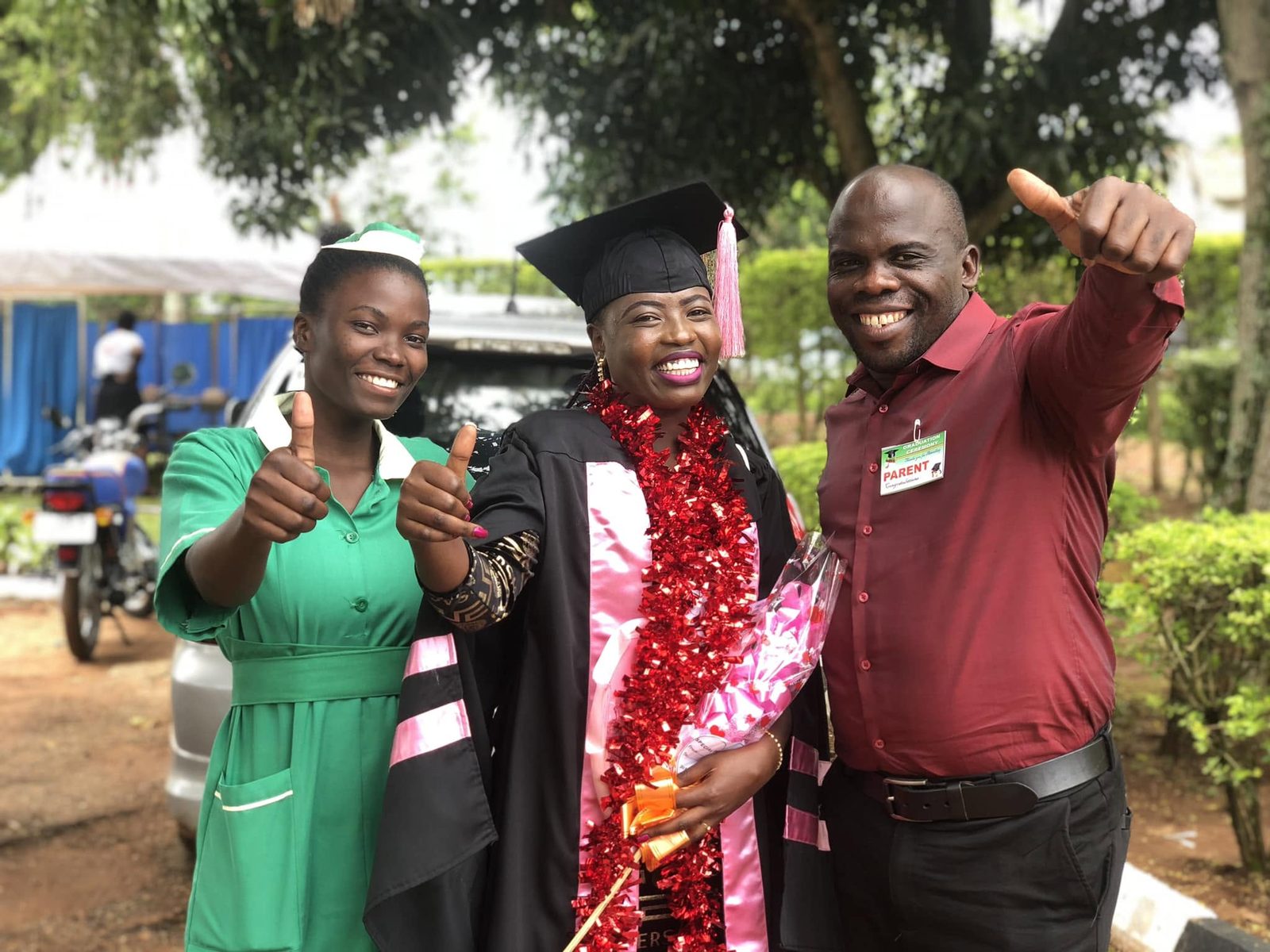
Some of the ways people help:
- Child sponsorship: a monthly gift providing food, schooling, healthcare and care.
- One-off giving: toward school fees, medical needs or everyday essentials.
- Prayer: for the children, their carers and their futures.
- Skills and advocacy: helping remotely, or simply sharing their story.
Sponsorship isn't a lesser version of adoption; it's a different, and very real, kind of commitment to a child's life. If you'd like to understand it properly, read our guide to sponsoring a child in Uganda or what sponsorship costs and covers.
Where to go from here
If adoption is genuinely on your heart, please pursue it properly, through your own country's adoption authority and Uganda's official channels. We'd honestly rather you did it the right way, slowly, than the quick way.
And if you'd like to make a difference for a vulnerable child right now, you can sponsor a child, explore other ways to help, or get in touch with any question at all. Thank you for caring enough about a child you've never met to ask the question in the first place.
Frequently asked questions
Can you adopt a child from Uganda? +
Can I adopt a child directly from Tender Love Orphan Care? +
Are children in orphanages available for adoption? +
Why is adoption from Uganda so complex? +
Where should I get reliable adoption information? +
What are the warning signs of an unsafe adoption offer? +
What can I do instead of adopting? +
Every child deserves to be loved
Your support helps provide food, education, healthcare and a loving Christian family for vulnerable children in Jinja, Uganda. Will you help today?