Jinja, Uganda and the Community Around Tender Love
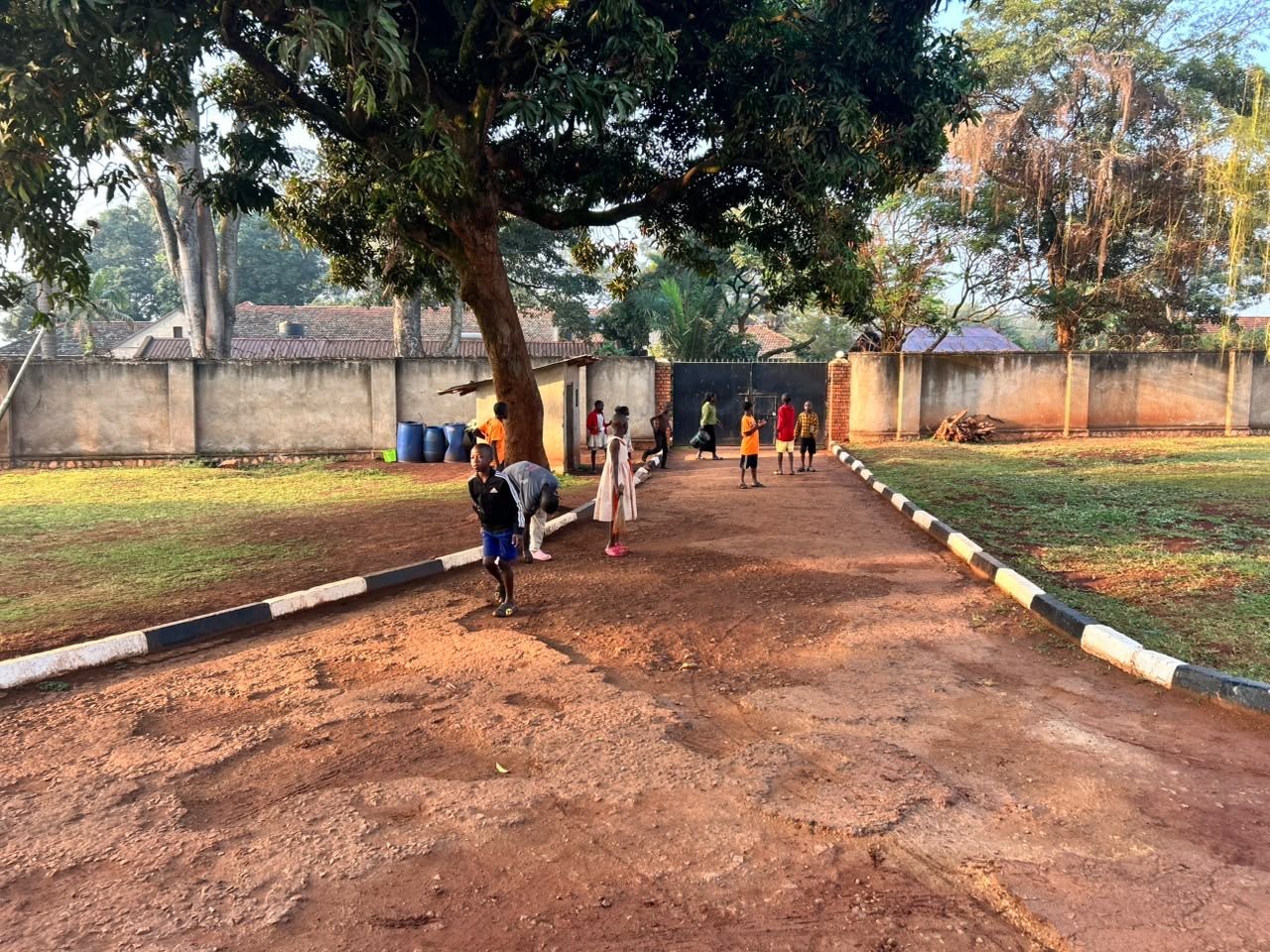
Every charity belongs somewhere. As a Jinja, Uganda charity, we're not a head office in another country directing work from afar. We live here, on Plot 14A Circular Road, among the people we serve. The children we care for come from these streets and villages, attend schools here, and will one day help shape this town.
So if you're considering supporting us, it's worth knowing the place. This is an introduction to Jinja: its beauty, its people, its genuine hardships, and why understanding local context makes for far better care and far wiser giving.
Where Jinja is
Jinja sits in eastern Uganda, on the northern shore of Lake Victoria, at the point where the lake spills out to become the River Nile. It's one of Uganda's best-known towns, famous as the source of the Nile, and a draw for travellers who come for the river, the rapids and the scenery.
It is roughly a couple of hours' drive east of Kampala, the capital, along one of the country's busiest roads. The surrounding Busoga region is green and fertile, with sugar cane, maize and banana plantations stretching between villages, and Lusoga spoken widely alongside English and Luganda.
The town and its people
Jinja is a working town with a long industrial history and a warm, sociable rhythm. Markets fill with produce in the morning, boda boda motorcycles weave through traffic, children in bright uniforms walk to school in groups, and church music carries across neighbourhoods on a Sunday.
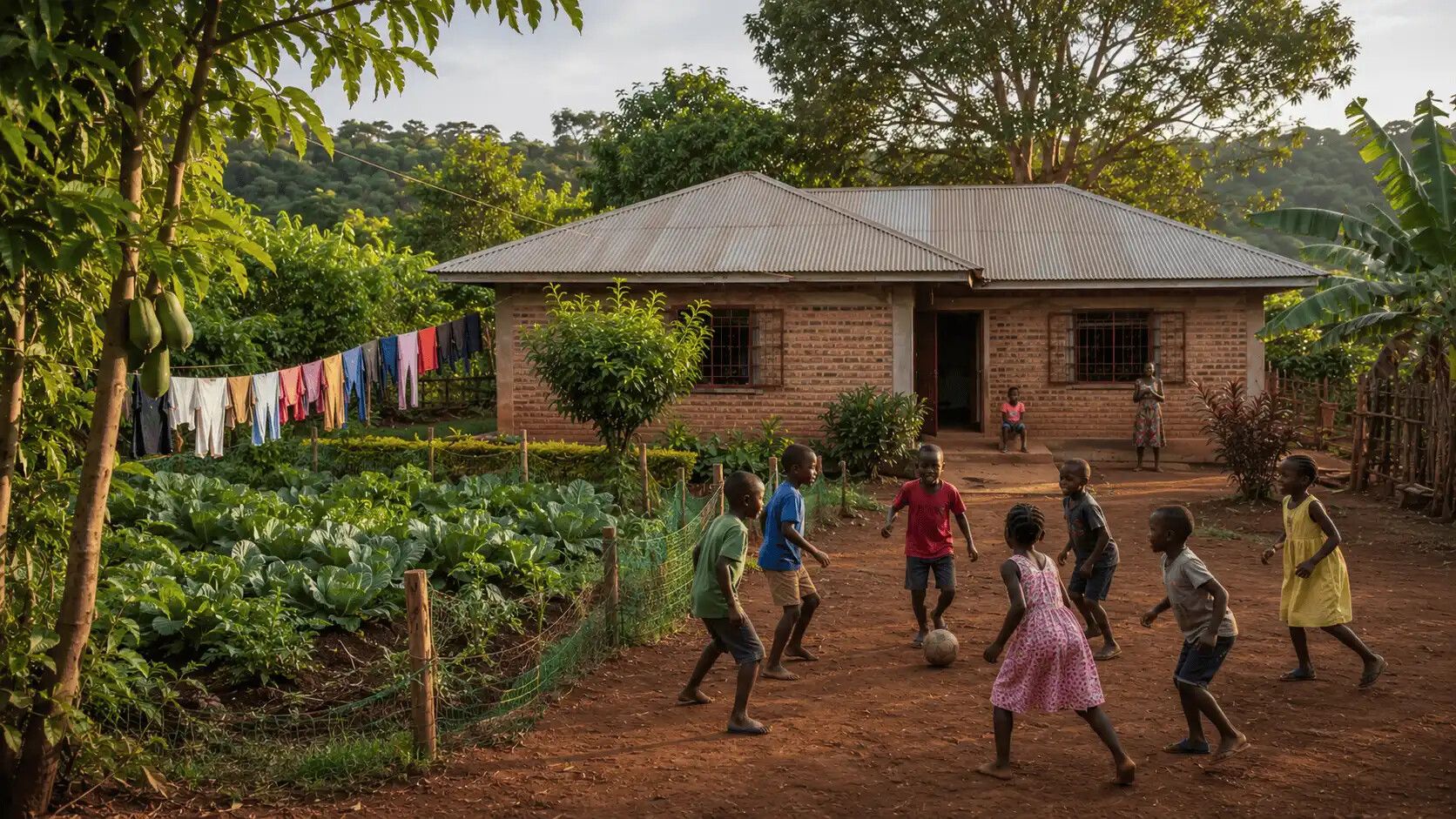
What strikes most visitors is not poverty but warmth: people who greet strangers, look after neighbours' children, and share what little they have. That generosity is the soil Tender Love grew out of, and it's a side of Uganda that rarely makes it into charity appeals.
It's worth saying plainly, because charity marketing so often flattens African towns into a single sad image. Jinja is not a place waiting to be rescued. It is a town with its own business, humour, faith, football rivalries and fierce local pride, which happens, like every town on earth, to have families who need a hand.
The challenges families here face
Alongside that warmth sits real hardship, and it would be dishonest to skip past it. Many families in and around Jinja live on unpredictable incomes from farming, market trading or casual work. A single setback (an illness, a failed harvest, a death in the family) can pull a household under with no safety net to catch it.
Healthcare costs money that many simply don't have. School expenses mount as children grow. Housing is often crowded. None of this is a reflection on the parents, who are frequently working extraordinarily hard; it is the arithmetic of poverty, and it falls heaviest on children.
How children end up without care
Understanding the town explains a great deal about how children come into our care. Very few arrive because nobody loved them. Most arrive because circumstances overwhelmed the people who did.
Some have lost one or both parents. Some were left with elderly grandparents already stretched beyond capacity. Some were abandoned in crisis, or came from homes where staying was no longer safe. This mirrors what UNICEF and others report worldwide: that poverty and crisis, rather than an absence of love, separate most children from family. You can read more in our post on why family-based care matters.
Why local roots matter in child care
Being based in Jinja isn't incidental to our work: it shapes the quality of it. Because we live here, we understand the languages the children speak, the schools they attend, the festivals they celebrate and the food they grew up eating. Nothing has to be translated or guessed at.
It also means children don't lose their culture in order to be cared for. They remain Ugandan, Basoga, part of their own community, growing up in the place they belong, with people who know it. That continuity matters enormously for a child who has already lost too much.
The rhythm of the year here
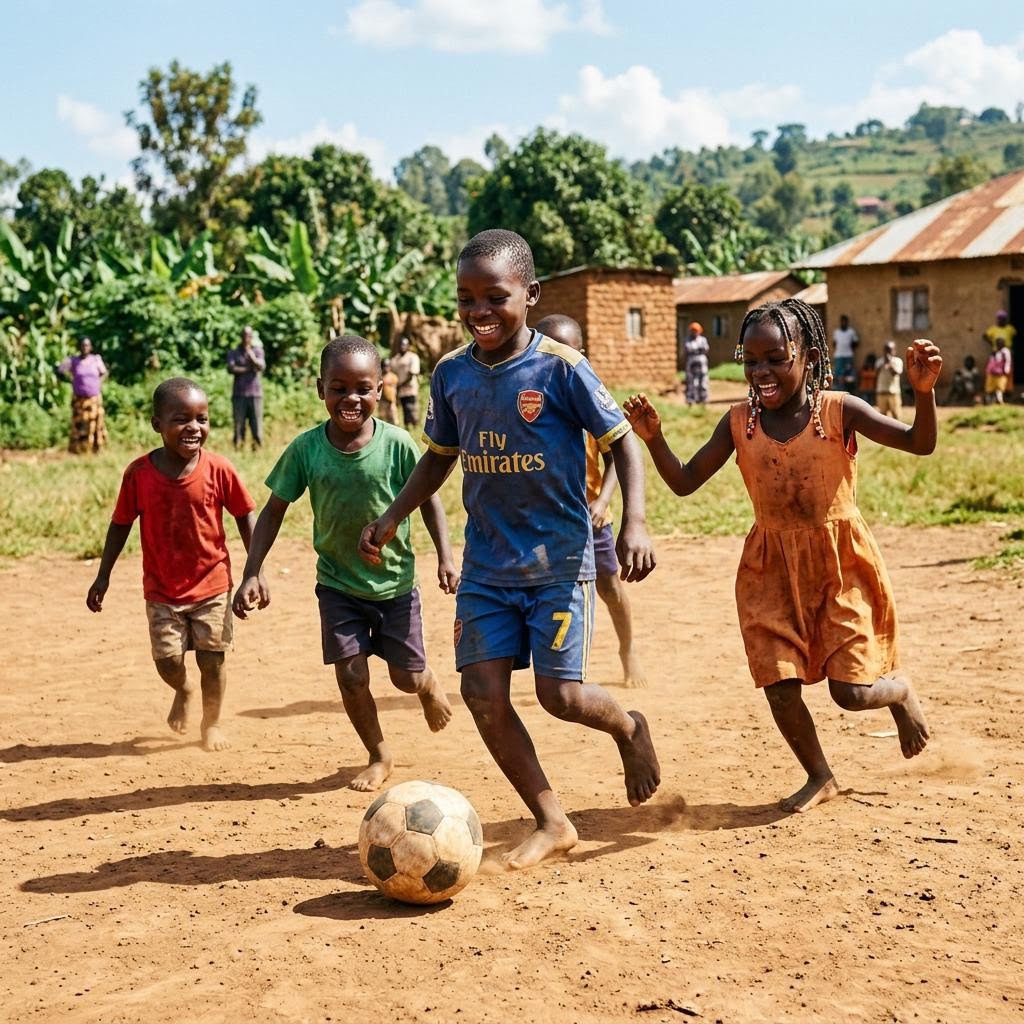
Life in Jinja follows a rhythm that shapes how we plan and where support is needed most. The school year runs in terms, and each new term brings a wave of costs at once: fees, uniforms that no longer fit, replacement shoes, fresh exercise books. Those weeks are consistently our tightest.
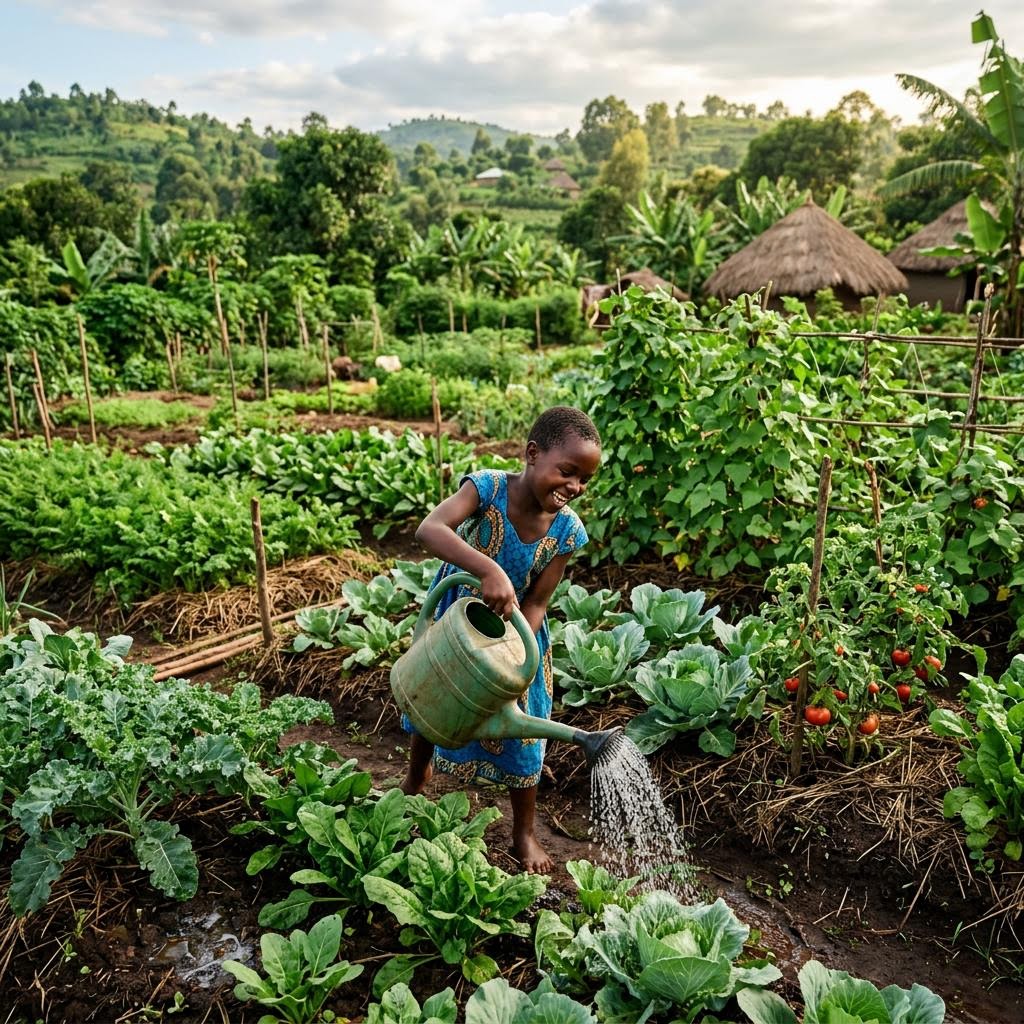
The weather has its own pattern too. Rainy seasons bring the gardens to life and fill the water tanks, but they also bring mud, more coughs and colds, and higher medical costs. Drier months are easier underfoot but harder on the vegetable beds, so more food must be bought at market.
This is exactly why steady monthly support helps a home like ours more than occasional windfalls. The needs don't arrive evenly, so a predictable income lets us carry the expensive weeks without scrambling, and lets us promise every child that the next term is covered.
Being part of the community, not apart from it
We're careful not to run Tender Love as a walled compound separate from the town. Our children attend local schools alongside other Jinja children. We worship in the local church. We shop in the same markets, use the same clinics, and know our neighbours.
That's deliberate. Children raised in isolation struggle when they eventually step out into the world. Children raised as ordinary members of their community are already at home in it, with friendships, familiarity and a network beyond our walls when they grow up and move on.
Giving that stays in the local economy
There's a practical benefit to being locally rooted that supporters don't always consider. Because we buy locally (food from Jinja markets, uniforms from local tailors, supplies from local traders), your giving does double duty.
It feeds and schools a child, and it also supports Ugandan livelihoods rather than shipping goods in from abroad. Money spent here circulates here. That's one reason we generally encourage financial support over sending parcels, as we explain in our guide to giving safely to a children's charity in Uganda.
Hope for Jinja's next generation
It would be easy to write about Jinja as a place of need. We'd rather write about it as a place of potential, because that's what we see every day in the fifty children in our care.
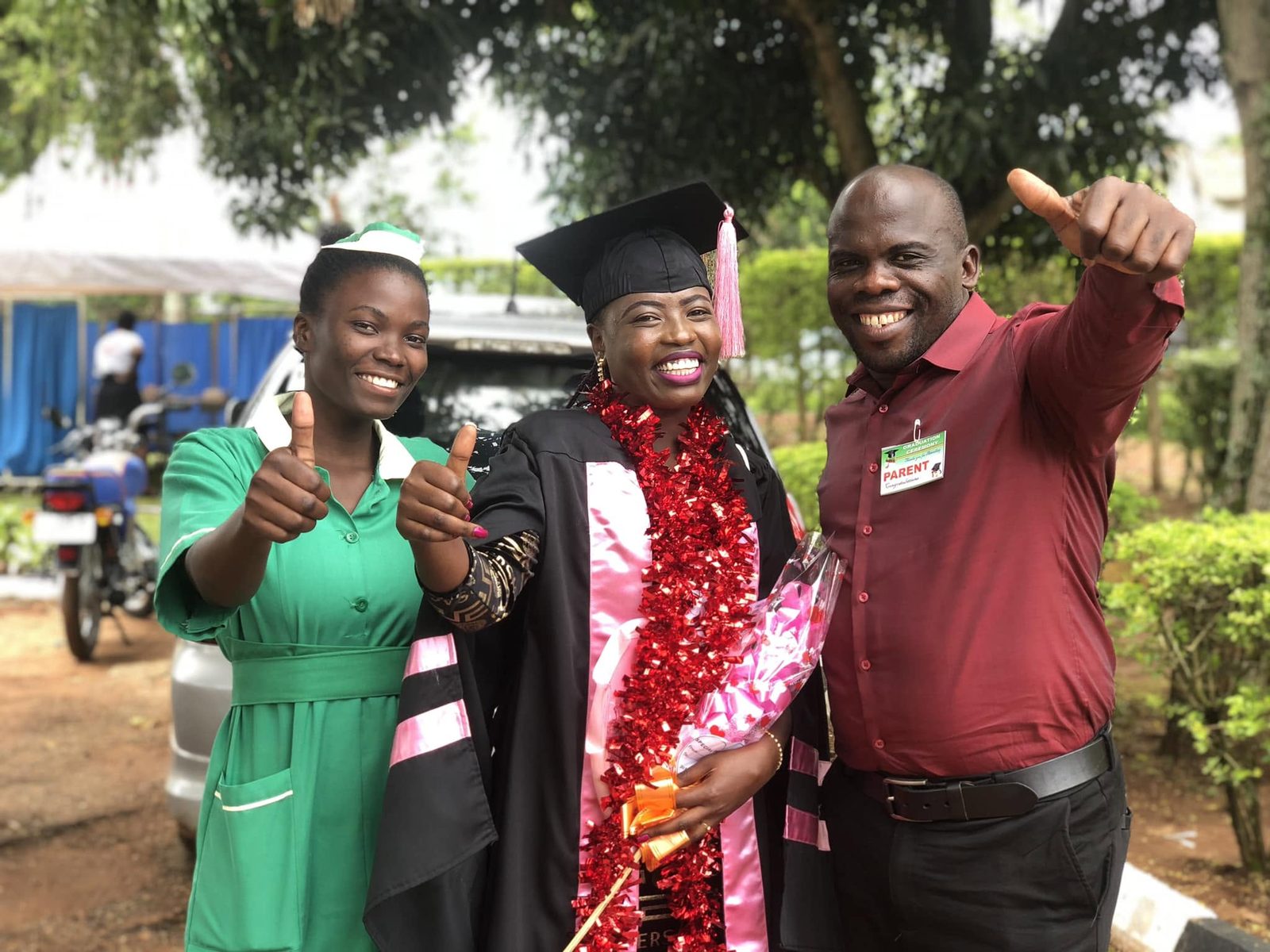
These children are Jinja's future teachers, nurses, tradespeople, pastors and parents. Every one who finishes school and steps into adulthood equipped and confident strengthens this town. Supporting a child here isn't charity poured into a hole. It's an investment in a community that will keep paying it forward long after we're gone.
Supporting our work in Jinja
If you'd like to be part of what happens in this corner of Uganda, there are simple ways to join in. You can sponsor a child, explore other ways to help, read how our family began, or see what daily life looks like here.
And if you're ever in Jinja, you're welcome to get in touch. We're proud of this town, proud of these children, and always glad to introduce the two.
Frequently asked questions
Where is Jinja, Uganda? +
What charity works with children in Jinja, Uganda? +
Why do children in Jinja need care? +
Why does it matter that a charity is locally based? +
Are the children part of the wider Jinja community? +
Every child deserves to be loved
Your support helps provide food, education, healthcare and a loving Christian family for vulnerable children in Jinja, Uganda. Will you help today?